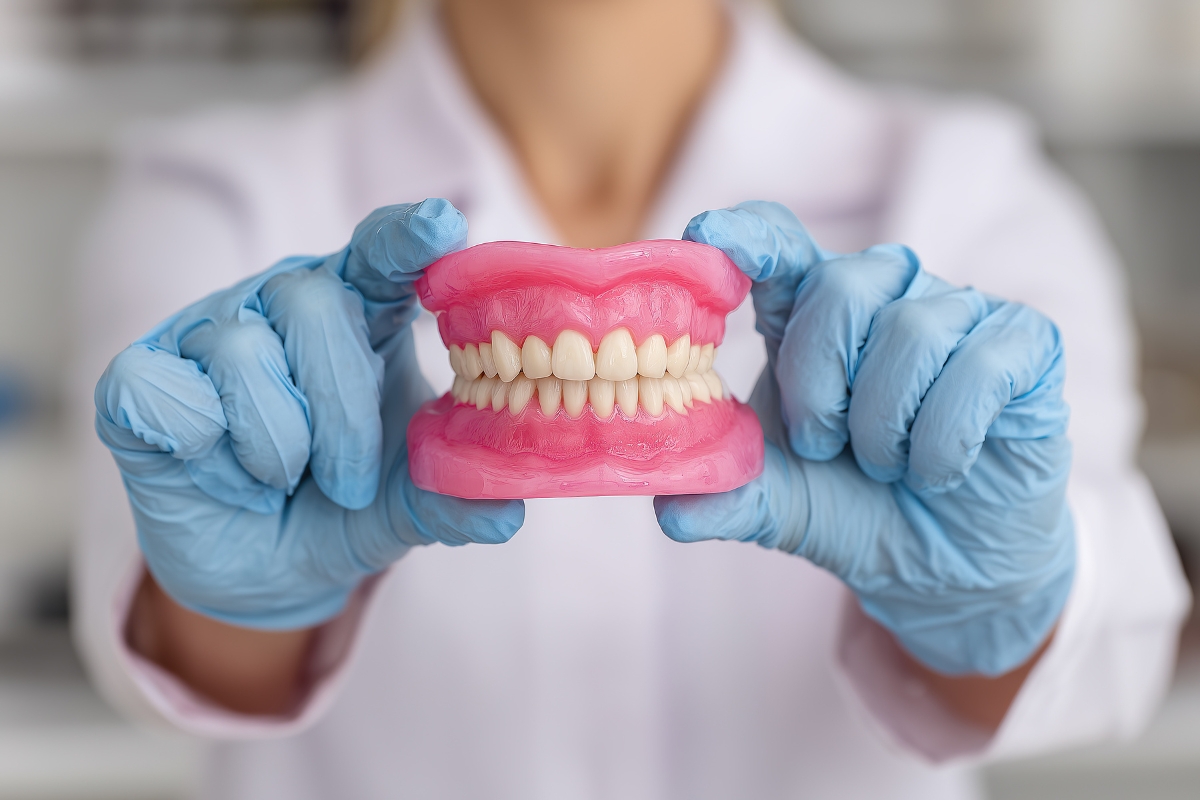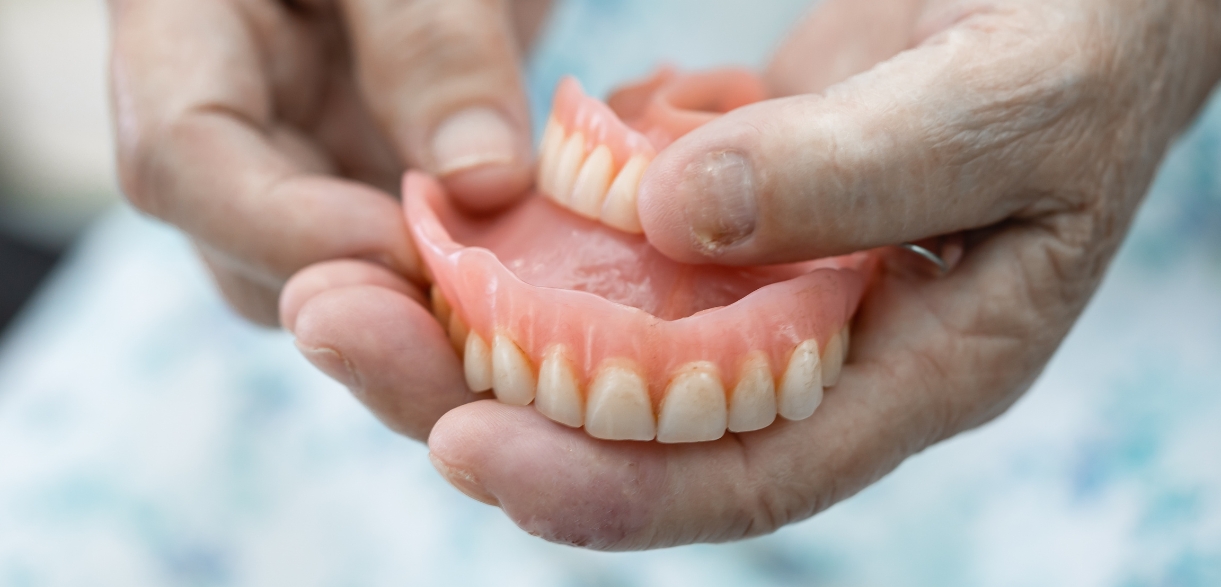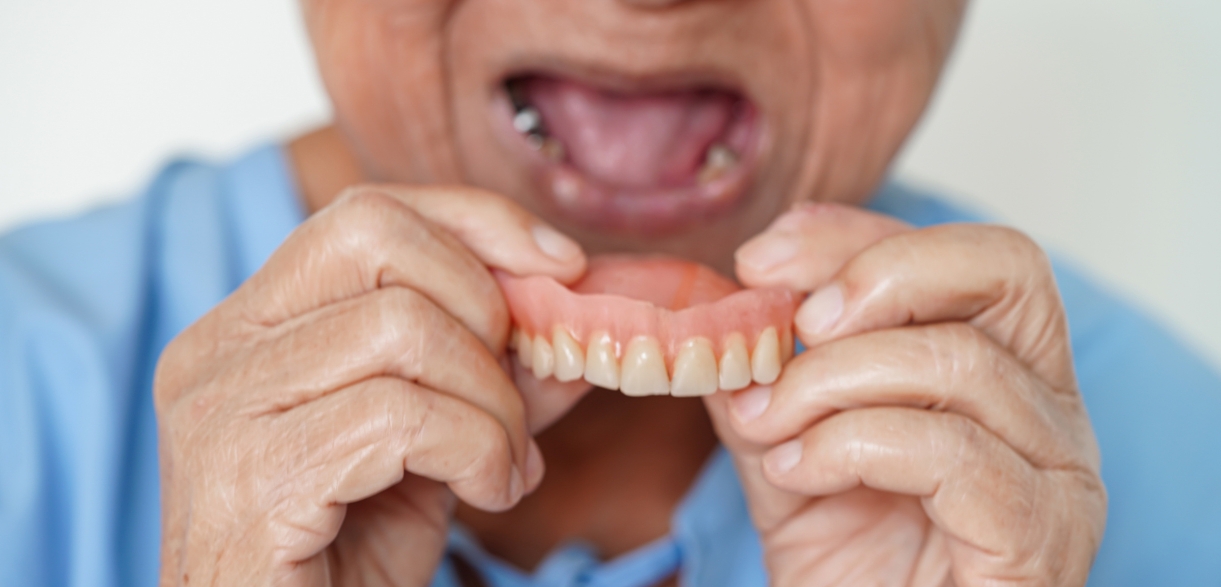
Care For Your Dentures: Essential Do’s And Don’ts
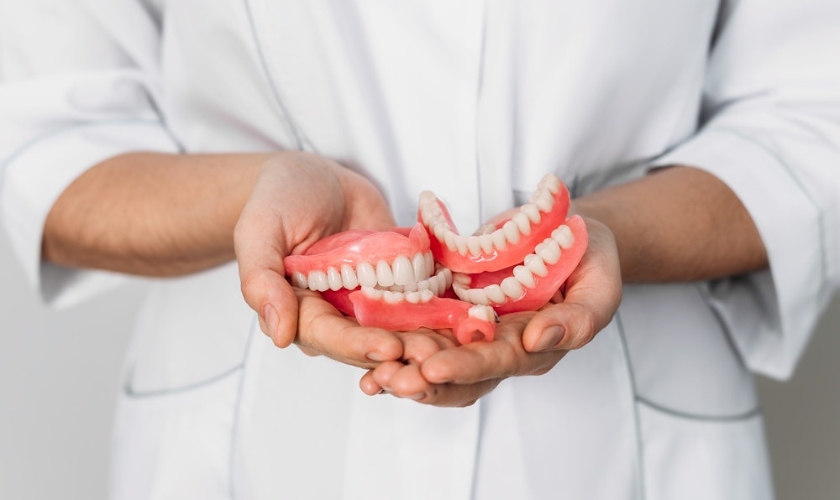
Dentures play a vital role in restoring your smile and improving your quality of life after tooth loss. Whether you have full or partial dentures, proper care is essential to maintain their longevity, ensure comfort, and protect your oral health.
Dentures can become uncomfortable, lose fit, or even contribute to gum irritation and infections without the right attention. In this blog, we will dive into the essential do’s and don’ts of denture care, providing you with clear guidance to keep your dentures in top condition.
Why Denture Care Matters
Dentures are more than just a replacement for missing teeth—they invest in oral health and daily comfort. They allow you to eat, speak, and smile confidently, but like natural teeth, they require regular care. Proper maintenance ensures that your dentures:
- Last longer without needing frequent repairs or replacements
- Maintain a comfortable fit
- Prevent oral infections and gum disease
- Keep your smile looking natural and healthy
Neglecting your dentures, on the other hand, can lead to discomfort, bad breath, and even damage to the structures that support them.
Do’s of Denture Care
Let’s start with the positive side: the essential do’s that will help keep your dentures in good shape.
1. Clean Your Dentures Daily
Just like natural teeth, dentures accumulate plaque, food particles, and bacteria throughout the day. Make it a habit to clean your dentures at least once a day. Use a soft-bristled denture brush and a non-abrasive cleanser designed specifically for dentures.
- Tip: Gently brush all surfaces of the dentures, including the parts that rest against your gums.
2. Rinse After Eating
After meals, remove your dentures and rinse them thoroughly to remove any food particles. This helps prevent plaque buildup and keeps your dentures fresh throughout the day.
- Tip: Hold your dentures over a towel or soft surface when rinsing to avoid damage if they slip.
3. Soak Dentures Overnight
Dentures need to remain moist to retain their shape. Soaking them overnight in a denture-cleaning solution or plain water prevents them from drying out or warping. Always follow your dentist’s recommendations regarding which solution to use.
- Tip: Never soak dentures in hot water, as it can cause warping.
4. Handle Your Dentures With Care
Dentures are delicate and can break if dropped or handled roughly. Always use caution when cleaning or handling them. It’s best to clean them over a soft surface, like a folded towel or a basin filled with water, just in case you drop them.
- Tip: Hold them securely but not too tightly, as the force can bend or crack them.
5. Visit Your Dentist Regularly
Even if you wear dentures, regular dental check-ups are crucial. Your dentist will check the fit of your dentures, examine your gums for any issues, and professionally clean your dentures. Dentures can shift over time as your gums and bone structure change, so it’s essential to keep your dentist in the loop.
- Tip: Schedule at least one dental visit per year to monitor your oral health.
Don’ts of Denture Care
Now that we’ve covered the must-do steps, let’s discuss some common mistakes to avoid when caring for your dentures.
1. Don’t Use Regular Toothpaste
Regular toothpaste contains abrasives that can scratch and damage your dentures. Scratches create a breeding ground for bacteria, leading to bad odors and infections.
- Tip: Only use cleaners specifically formulated for dentures, and avoid whitening products.
2. Don’t Wear Your Dentures 24/7
Your gums need time to rest, and wearing dentures 24 hours a day doesn’t allow them to breathe. Take your dentures out at night to let your gums recover. This practice also reduces the risk of infections and irritation.
- Tip: Always soak your dentures overnight when you’re not wearing them.
3. Don’t Forget About Your Oral Hygiene
Even with dentures, maintaining good oral hygiene is essential. Clean your mouth, gums, and tongue daily using a soft-bristled toothbrush. This prevents gum irritation, bad breath, and infection.
- Tip: If you have partial dentures, don’t neglect your natural teeth—keep them clean and free from plaque.
4. Don’t Adjust Your Dentures Yourself
If your dentures start to feel uncomfortable or loose, resist the temptation to adjust them on your own. DIY adjustments can cause further damage or lead to ill-fitting dentures, resulting in discomfort or sores.
- Tip: Always consult your dentist if your dentures need adjusting or refitting.
5. Don’t Skip Regular Cleaning Solutions
Plain water is not enough to clean your dentures thoroughly. Skipping denture-cleaning solutions can lead to the buildup of plaque, bacteria, and stains. Use products designed for denture care, such as effervescent tablets, to ensure proper hygiene.
- Tip: Follow the manufacturer’s instructions when using cleaning solutions.
Additional Tips for Denture Care
1. Handle Broken Dentures With Caution
If your dentures break or chip, don’t try to fix them at home with glue or other adhesives. These substances can be toxic or damage the denture material. Always see your dentist for professional repairs.
2. Watch for Signs of Irritation
If you experience redness, soreness, or swelling in your gums, it could be a sign that your dentures don’t fit properly. Addressing this early can prevent more serious oral health issues.
3. Store Dentures Safely
When you’re not wearing your dentures, store them in a safe, covered container with water or a denture solution. Avoid leaving them out in the open, where they can dry out or be damaged.
Overall, Caring for your dentures is crucial not only for their longevity but also for your overall oral health. By following these essential dos and don’ts, you can keep your dentures clean, comfortable, and functional for years to come.
Remember that regular dental check-ups are just as important as daily denture care. By working closely with your dentist, you can ensure that your dentures continue to fit well and serve their purpose effectively.
Take the time to properly care for your dentures, and they will reward you with a confident smile and improved quality of life. Whether you’re new to dentures or have been wearing them for years, these simple yet vital steps will make a significant difference in how you feel and look.