Is a Root Canal Better Than a Tooth Extraction?

When it comes to dental health, you might have to undergo two very common procedures known as root canal and tooth extraction. Both procedures aim to address your severe tooth problems. However, they do differ in approach and outcome. You must make informed decisions to preserve your overall oral well-being.
Read this blog to learn about the difference between these two procedures and the purpose they serve.
What Are The Basics of Root Canal and Tooth Extraction?
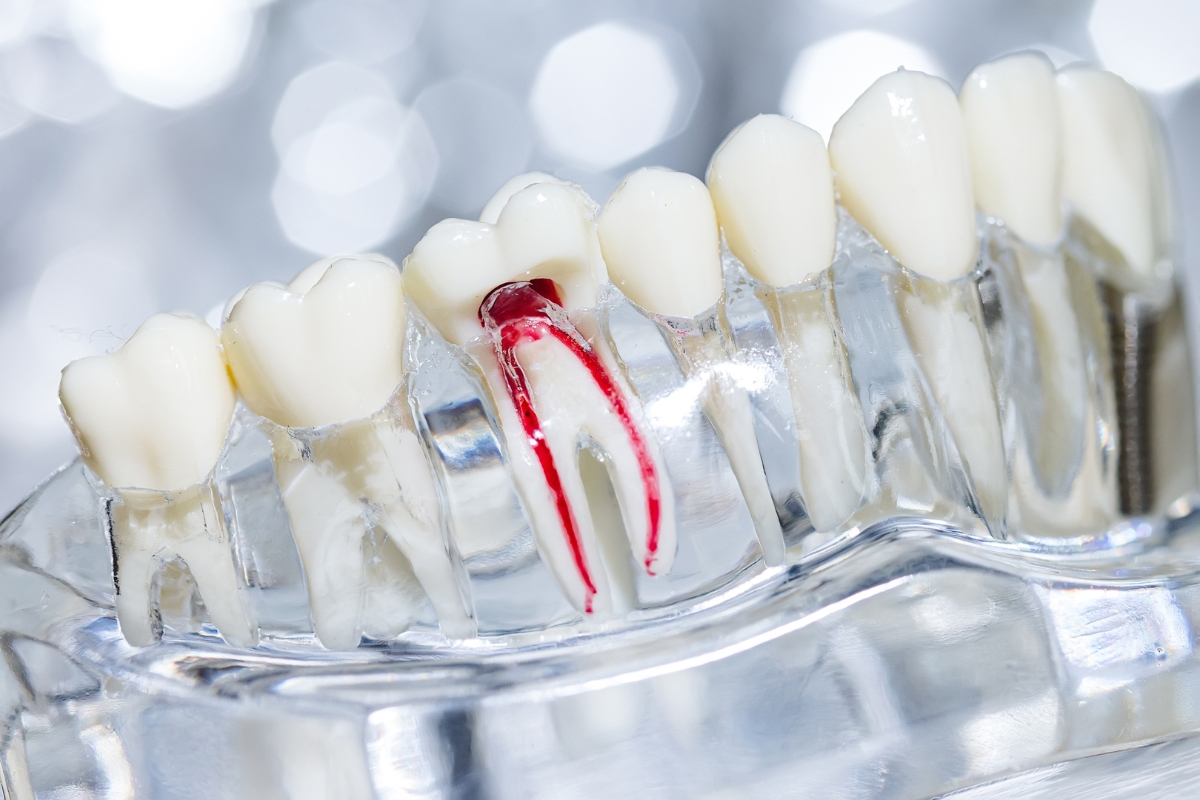
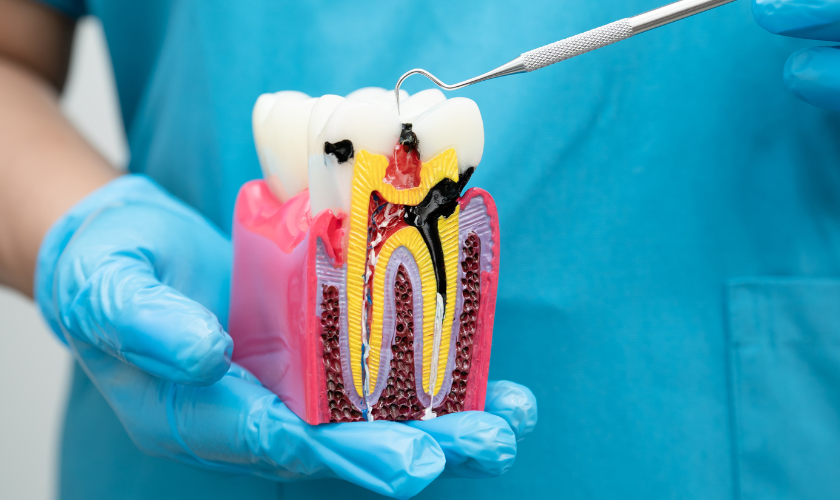
A root canal will emphasize saving your infected tooth. In this procedure, the dentist will remove the infected pulp inside your tooth. They will do that by creating a small opening in your infected tooth. They will then clean and shape the area to fill it up with a biocompatible material. Finally, the dentist will seal the opening.
Tooth extractions involve the complete removal of the infected tooth from the socket. It is usually recommended when your tooth is completely infected, broken, or damaged. This method is also used to remove impacted wisdom teeth. For dentists, this is usually the last resort.
How Does a Root Canal Compare To Tooth Extraction?
When it comes to comparing root canals and tooth extraction, you must take into account the goal of the two procedures:
Preservation of Teeth
The main aim of the canal procedure is to save your natural teeth. It will completely remove the infected pulp to prevent the spread of infection in your mouth. Keeping your natural teeth intact will help with jaw alignment, chewing, etc. Tooth extraction can create a gap and affect your jaw health. You might need dentures, bridges, etc.
Recovery and Pain
Many believe that the pulp removal procedure is very painful. However, with modern sedation, you will feel no discomfort. You can recover within a few weeks. Extractions are quick but take time to heal, especially with surgical extractions. You might experience more swelling, pain, and other conditions like dry sockets.
Cost Factors
The canal procedure is usually more costly compared to extractions. However, you can save money in the long run since you do not need replacements. Though initially cheaper, the additional costs of implants and bridges can make it a more expensive option.
Longevity and Dental Health
You can make the results of this teeth-pulp removal procedure last for a very long time. Just maintain proper oral hygiene. You might need a crown for brittle teeth. Extractions can remove the immediate problem but can cause shifting and loss of nearby teeth.
What Factors Must You Consider While Making Your Choice?
Here are some factors that can affect your choice of dental procedure:
- You must first see a dentist. The dentist will use different tools to check if you need complete extraction or pulp removal.
- Consider your budget. Keep in mind the possible follow-up procedures like crowns, bridges, etc.
- You might personally prefer extraction to avoid any possible risks of infection in the near future.
Good oral hygiene, a good diet, and avoiding smoking and drinking can help you prevent dental infections and protect your teeth.
Both procedures have their own pros and cons. You must make your decision based on your dental needs. A dental professional can use their training to check the extent of your tooth decay. Having your natural tooth can serve you with functional and cost benefits. On the other hand, the removal of infected teeth can provide permanent protection.
Are you ready to make your choice? Contact us for a consultation today!