Crowns for Teeth: Types, Benefits, & Aftercare
Your teeth play a crucial role in maintaining your overall health. At some point, your teeth might need additional support due to injury, decay, or damage. Dental crowns act as caps that help protect your damaged teeth. This improves the size and shape of your teeth, offering you various benefits.
Dental crowns are perhaps the most widely used type of dental restoratives to restore teeth to their proper function and aesthetic appeal, especially when the teeth in question have been damaged in some way, whether it be by cracking, the need to undergo a root canal, or when a tooth in question is weak and needs additional protection.
What Are Crowns for Teeth?
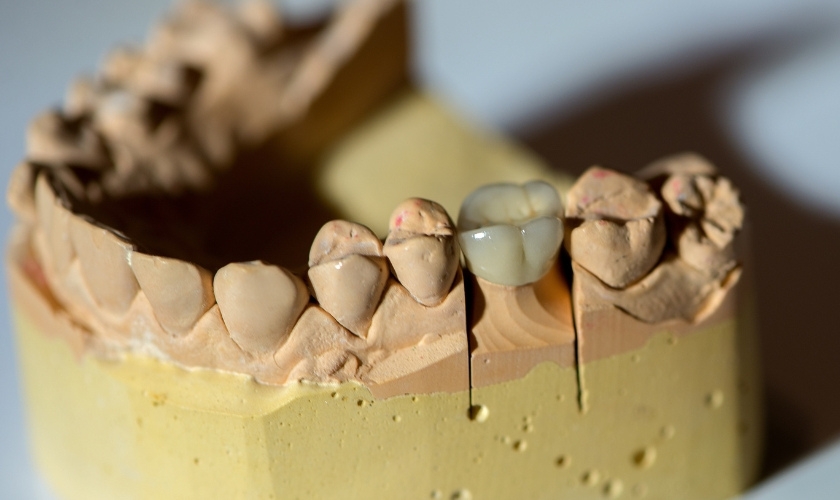
Crowns are dental devices that completely encase an impaired or weakened tooth, thereby restoring it to its former functional and aesthetic position. Such dental restoration may be vitally important in cases where a tooth is so decayed or damaged that it cannot support a filling. In addition, crowns may be used to cover teeth that have undergone root canal therapy and implants.
One of the principal advantages of getting a dental crown in Amherst, OH, is its ability to protect teeth from further damage. If you have a tooth that is heavily cracked or decaying, a dental crown can protect it from additional pressure while still allowing it to function normally.
Types of Crowns for Teeth
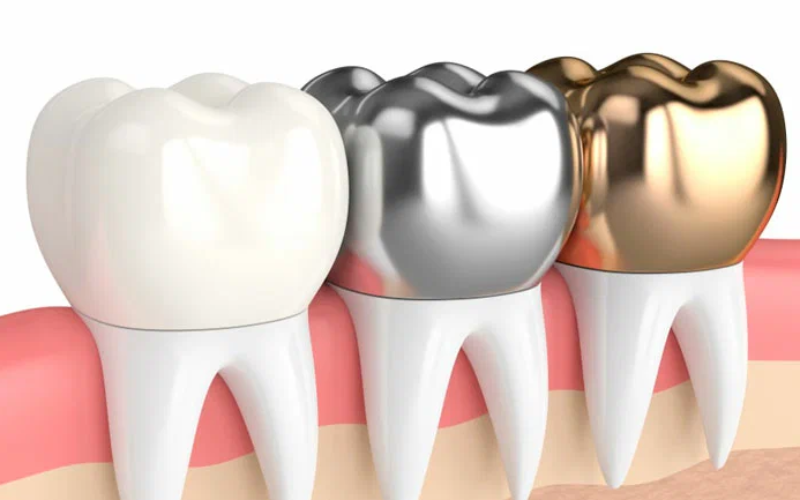
For crowns on individual teeth, there are a few options to choose from, each suitable for different uses. The types of crowns available depend on the location of the tooth, the amount of wear you want it to withstand, and other individual goals. The most popular types of crowns include:
Porcelain Crowns
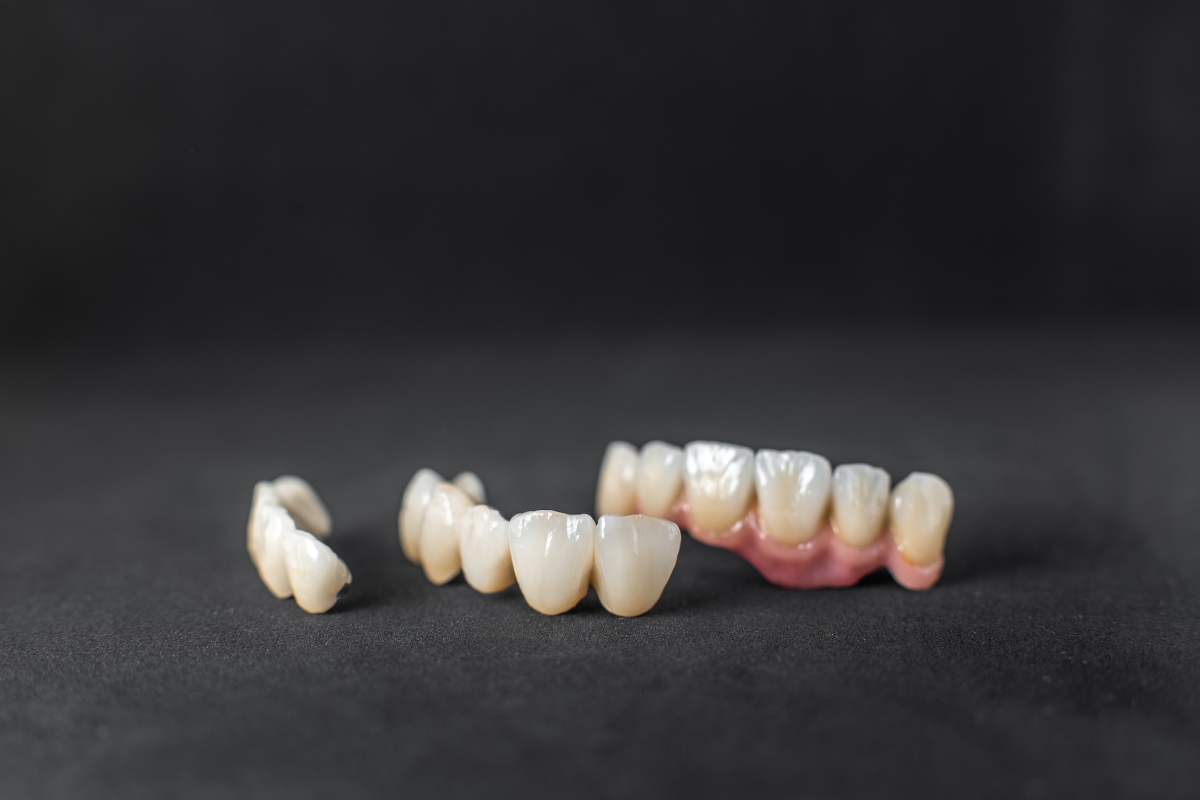
Porcelain crowns are also very popular because they look very similar to your real teeth. This type of crown is typically used on the teeth that you can see when you smile. This includes your front teeth.
Metal Crowns
Metal crowns, which are usually made of materials such as gold, have a reputation for being very long-lasting and strong. Though not as aesthetically pleasing, they can also be used for back molars, particularly when the crown will not be visible, and aesthetics do not play a major role. Metal crowns can also be used in areas that feels stress, such as molars.
Porcelain Fused to Metal Crowns
PFM crowns give the advantages of both porcelain and metal. While the interior of the crown is made of metal, the exterior remains porcelain, giving it a natural look. The PFM crown is a good option when you require both strength and aesthetics, though in some cases the metal part of the crown may become visible if the gums recede.
Zirconia Crowns
Zirconia crowns have the reputation of being durable and strong. This type of crown is made of crystals and presents an affordable option without compromising on its look. Zirconia crowns are best for both front and back teeth and can handle considerable pressure.
The Benefits of Dental Crowns
Dental crowns have several advantages, especially for individuals who may be dealing with damaged or weakened teeth. Some of the key advantages of your dental caps are:
- Protection: With a crown, the entire tooth is covered, protecting it from further decay or damage. This is especially good if you have had a root canal, since the tooth can become weaker over time.
- Aesthetic Improvement: A crown can greatly improve the look of your tooth, especially if it’s been discolored or misshapen. Porcelain crowns, for instance, come in the natural color of your teeth and thus improve the aesthetic effect.
- Functionality: If a tooth is weakened by a cavity or a crack, a crown helps restore it to working order so you can bite and chew comfortably without further damaging it.
- Longevity: Crowns have a long lifespan, depending on the material used for making them. Porcelain crowns and zirconia crowns are very durable and can be used under normal conditions.
What to Do When a Crown Falls Out?
Although crowns are made to last, in rare cases, they may become dislodged or even fall out. When this happens, it is imperative to take the following actions:
- Save the Crown: If your crown is still in good condition, save it and bring it to your scheduled dental appointment.
- Keep the Tooth Clean: Rinse the tooth and the crown gently with water. Do not use soap or toothpaste.
- Call Your Dental Office: Immediately contact a dentist’s office to arrange an appointment. It is vital to take action on this as soon as possible to prevent the damage to the tooth from becoming more severe.
- Avoid Eating on That Side: Until you get a dental appointment, avoid eating on the side where the crown has fallen off in order to avoid irritating or injuring the exposed tooth.
Aftercare for Crowns
After you’ve had a dental crown procedure, it’s important to take care of your tooth with your crown. Here are a few aftercare tips to consider for your dental cap:
- Brush and Floss Regularly: It’s important to keep up a thorough oral health routine. This includes flossing daily and brushing your teeth at least twice a day. Remember to clean the area around the crown to prevent plaque buildup.
- Avoid Hard Foods: Though crowns are very durable, they’re not invincible. You should avoid eating hard things like ice cubes and candies, which can severely damage the crown and, in extreme cases, cause it to fall off the tooth.
- Visit Your Dentist Regularly: You should continue your regular dental checkups to monitor the condition of your crowns and your overall oral health.
- Watch for Sensitivity: Some sensitivity is normal after receiving a crown. However, if your sensitivity persists, be sure to let your dentist know.
Ready for a Stronger, Healthier Smile?
Crowns are a very effective and long-lasting solution for restoring damaged or weakened teeth. The issue could be resulting from a decaying tooth, or you may be getting a crown after a root canal procedure.
At Amherst Neighborhood Dentistry, we offer a full spectrum of dental care for all your needs. If you need a dental crown in Amherst, our team is ready to provide you with the care you need. Contact us today to schedule a consultation for a new smile! We want you to have a healthy and happy smile!
Questions People Ask About Crowns
1. How long do crowns last?
Crowns typically last between 10 and 15 years with proper care. The longevity depends on the material used and your oral hygiene habits. Regular dental checkups help ensure your crown stays in good condition.
2. Can I eat with a crown on the first day?
It’s best to avoid eating hard or sticky foods on the first day after getting a crown. This gives the crown time to settle properly. Stick to soft foods until your next dental checkup for optimal results.
3. Do crowns need to be replaced?
Yes, crowns can wear down or become damaged over time. While they can last many years, they may eventually need replacement. Regular dental visits help monitor the condition of your crown and ensure your oral health remains optimal.
4. What if my crown falls out?
If your crown falls out, save it and contact your dentist right away. The dentist will assess the situation, clean the crown, and reattach it or replace it if necessary, ensuring your tooth remains protected.
5. Are crowns painful?
The process of getting a crown is generally painless because local anesthesia is used. Afterward, some mild discomfort or sensitivity is normal but should subside within a few days. Your dentist will help manage any discomfort.