Advice on How to Eat While Wearing New Dentures
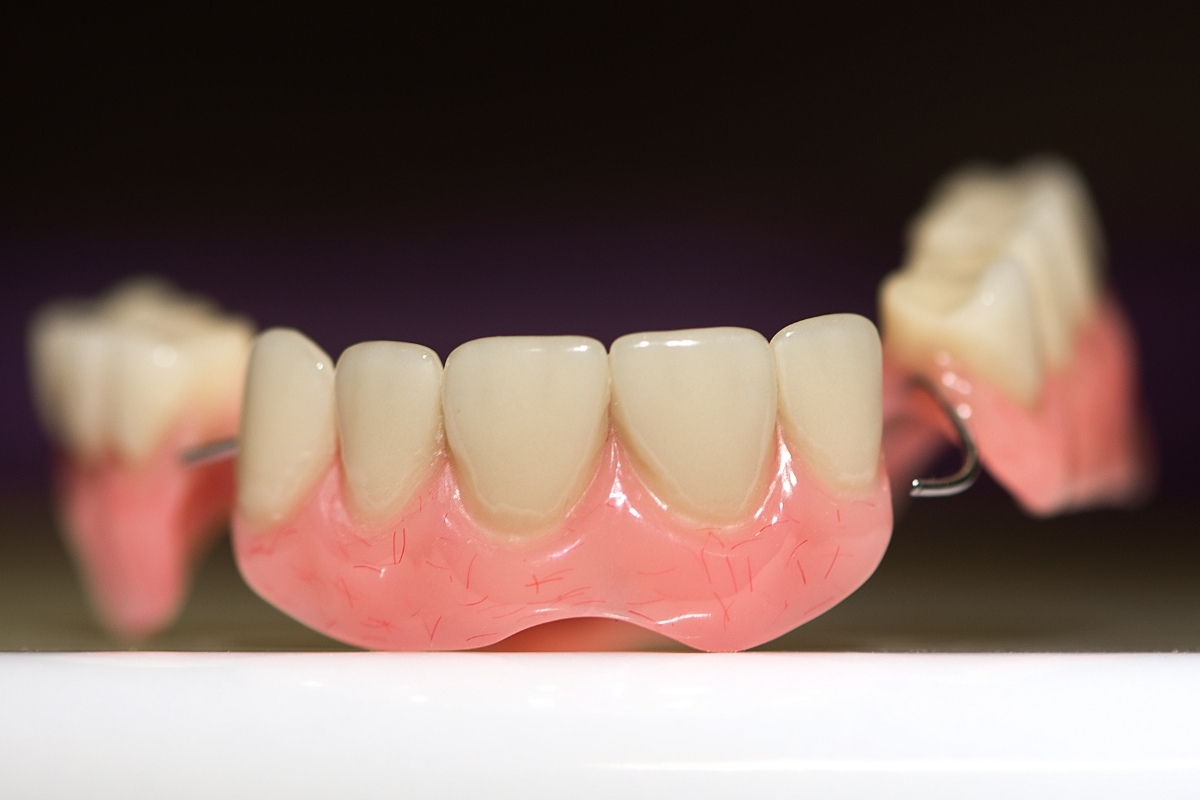
Eating is a multi-sensory experience, which is why taking your first bite with dentures can be challenging. It can also take time for your mouth to adjust: after all, dentures are quite different from what you had before. It may be some time before you get used to the new devices in your mouth and to how they affect chewing. Rest assured that, with the right habits in place, eating will become second nature to you while you wear your dentures.
In this blog post, we will cover several tips for eating well with dentures. From selecting mushy fare to chewing and swallowing techniques, this guide will make the switch easier so you can enjoy food once more. Following these simple tips can help you regain confidence and enjoy your favorite food as soon as possible.
Guidelines For Eating With Your New Dentures
Eating with dentures for the first time can present a monumental challenge. Many of us may feel a little shaky about how to eat comfortably and which foods to avoid. Fortunately, there are realistic strategies that can help make the transition easier and more manageable. Adjusting how you eat with dentures can help it feel more like your new normal.
If it is your first time getting dentures in Amherst, you may find tips to help you adjust to them. While you are trying to adjust, these tips will help you eat and enjoy foods with confidence again, quickly!
What Can You Eat with Dentures?
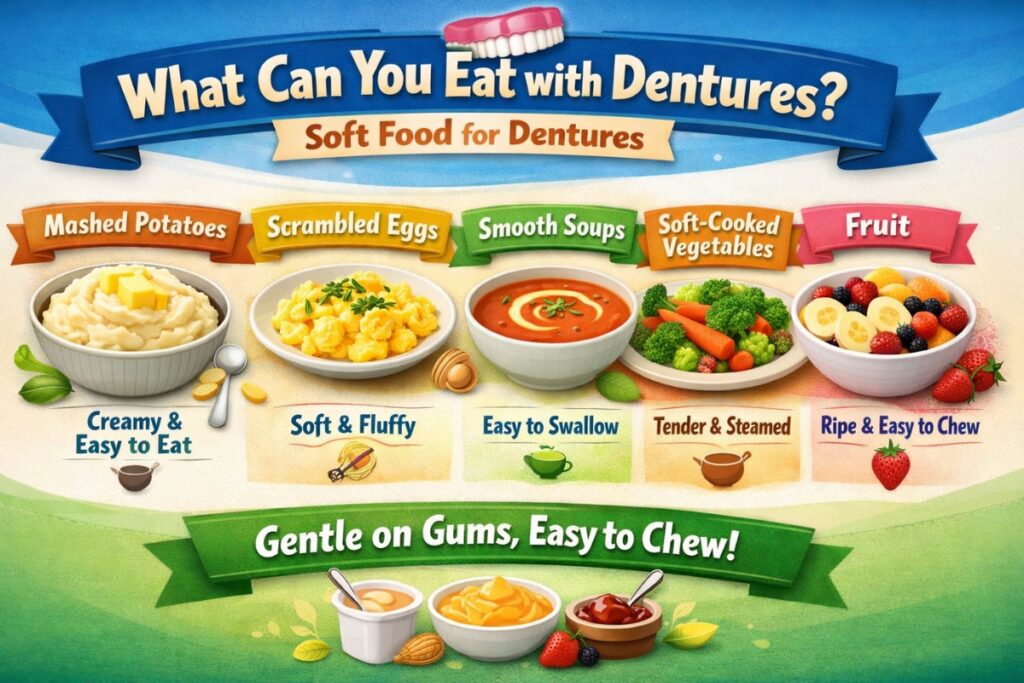
Eating with dentures for the first time may feel an unfamiliar as your mouth gets used to the new set of teeth. The secret is to begin slowly and select easy-to-chew foods. The first few days or weeks might be a little challenging, so be aware that you may have some discomfort while your mouth adjusts to the dentures. Try introducing soft foods into your diet, such as mashed potatoes, scrambled eggs, and yogurt, to make eating easier.
Soft, chewable foods such as bread, rice, and pasta also come in handy when adjusting. Keep in mind that evenly chewing on both sides of your mouth will help prevent excessive pressure on one side and is great for getting used to your dentures. You will want to steer clear of sticky or tough foods that could cause discomfort or make eating a challenge.
- Soft Food for Dentures: Soft food can be a great way to ease the transition into eating with them when you first start. This contains foods that are easy to chew and won’t strain your new dentures too much. Try incorporating foods such as:
- Mashed Potatoes: Soft, smooth, and no need to work your dentures too hard to eat them.
- Scrambled Eggs: Soft and easy to chew, scrambled eggs are also a perfect breakfast food that can kick-start your day.
- Smooth Soups: Easy-to-swallow, warm soups can be both nutritious and soothing as you adjust to your diet.
- Soft-cooked Vegetables: Cooked tender, soft-cooked vegetables such as carrots and squash are also easy to chew.
- Fruit: Fruits like soft bananas and applesauce are good for healthy snacks.
Starting with these soft foods will give you a much better sense of comfort and self-confidence when wearing dentures, so that as you become accustomed to them, you will be able to move on to different foods. Over time, you can gradually reintroduce tougher foods into your meals.
Advice on Eating with Dentures
Here are some additional tips that can help you eat with dentures while maintaining your oral health:
- Chew: For every bite, chew slowly and mindfully, two to three times. Choose soft foods cut into small pieces to reduce jaw strain, and chew slowly on both sides to help keep the denture stable.
- Cut the Food into Very Small Pieces: Cutting your food into small, bite-sized pieces will make it much easier for you to chew and will also help avoid unnecessary strain on your dentures
- Stay Away From Sticky or Hard Foods: Sticky foods such as caramel, toffee, or gum can get stuck in your dentures, making them harder to clean. Tough foods such as raw carrots or nuts can damage your dentures or cause them to feel uncomfortable.
- Drink Water: Give yourself big gulps of water throughout the day, especially around mealtimes. It helps wash your food down and keeps the mouth moist, which can help keep your dentures from feeling dry or uncomfortable.
- Use Denture Adhesive: Wearing dentures may cause some to worry about slipping while eating. Consult your dentist to determine the best options for you.
- Avoid Staining Foods: Coffee, tea, and red wine can stain dentures over time. While it’s fine to indulge them every now and again, you should eat them in moderation to maintain your dentures as best as possible.
Take Back Your Meals With Confidence
Like any new adjustment, eating with dentures may take time. It might feel a little uncomfortable at first, but it should get better as you become used to wearing them. Taking small bites, sticking to softer foods, and following the tips we have outlined here will help you feel more at ease and confident as your mouth adjusts to new dentures. With practice, eating with dentures can become second nature in your daily life.
At Amherst Neighborhood Dentistry, we can help you every step of the way through your denture journey. If you are having trouble adjusting to eating with dentures or need an adjustment, send us a message! Set up an appointment with our staff today so we can make sure your dentures fit correctly, and you feel good whenever you sit down to eat.
Questions People Ask About Dentures
How long does it take to get used to eating with dentures?
It usually takes a few weeks to get used to eating with dentures. Start with soft foods and chew slowly to adjust gradually. Over time, you’ll be able to enjoy a wider variety of foods.
What can I eat with dentures for the first time?
When eating with dentures for the first time, choose soft foods such as mashed potatoes, scrambled eggs, and smoothies. Avoid hard, chewy, or sticky foods that could cause discomfort or difficulty.
Can I eat steak with dentures?
Eating steak with dentures may be difficult at first. It’s best to wait until you’ve fully adjusted. When you’re ready, cut the steak into smaller pieces and chew slowly to avoid straining your dentures.
How do I prevent food from getting stuck in my dentures?
To prevent food from getting stuck, try eating smaller bites and avoiding sticky or tough foods. Make sure to clean your dentures thoroughly after every meal to remove any residue.
Are there any foods I should avoid with dentures?
You should avoid sticky foods like caramel, chewy foods like gum, and hard foods such as nuts or raw vegetables. These can damage your dentures or cause them to slip out of place.
Can I drink coffee with dentures?
You can drink coffee with dentures, but be mindful of staining. Try to limit your intake, and always rinse your dentures afterward to help reduce staining and keep them looking their best.