
How Many Steps Are There In A Root Canal?
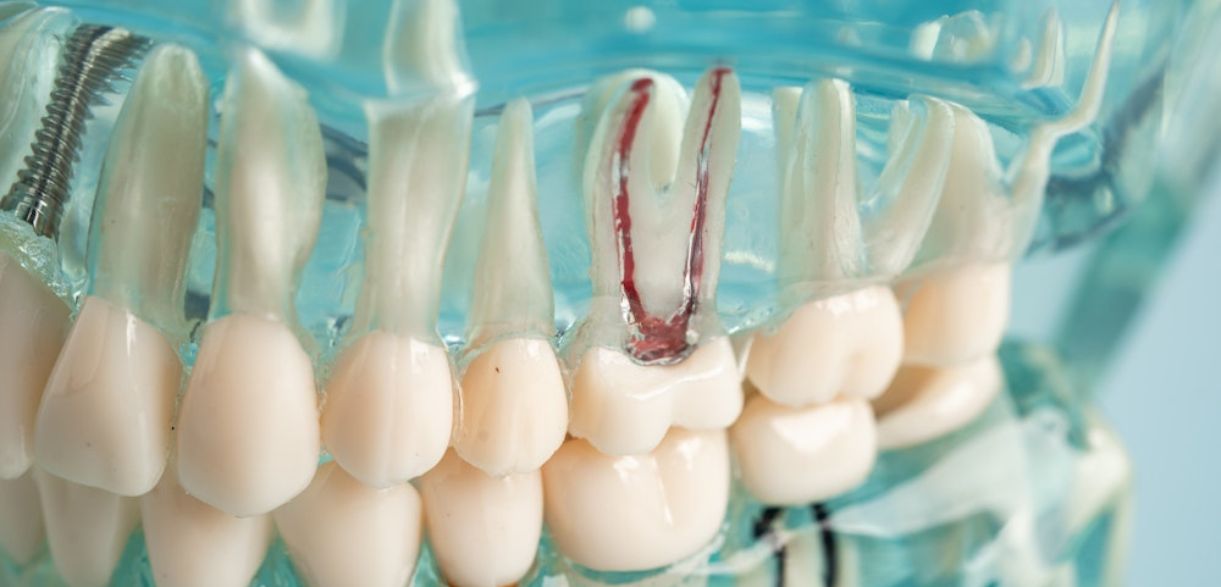
Ever wondered what goes into a root canal procedure?
If you’ve been told you need one, understanding the process can ease your worries and clarify what to expect. A root canal might sound intimidating, but it’s a common and effective way to save a damaged or infected tooth.
In this blog, we’ll walk you through each step of the root canal treatment, from start to finish. You’ll discover how your dentist carefully cleans and seals the tooth to relieve pain and restore function.
With a step-by-step guide, you’ll feel more confident and prepared for your visit. Let’s dive into the process and see how this essential procedure works to keep your smile healthy and pain-free!
Step 1: Diagnosis and Preparation
Before diving into a root canal, a comprehensive examination is essential. Your dentist will conduct a thorough evaluation, often including X-rays, to assess the extent of the damage or infection. This helps pinpoint the exact problem area and guides the treatment plan.
- X-rays and Evaluation: X-rays reveal the root structure and any infection present. This step is crucial for planning the procedure and ensuring that no surprises arise during treatment.
- Preparation of the Tooth: Once the diagnosis is confirmed, the dentist prepares the tooth for the procedure. This might involve cleaning the area and ensuring the tooth is ready for the next steps.
This initial stage sets the foundation for a successful root canal by accurately diagnosing the issue and preparing the tooth for effective treatment.
Step 2: Anesthesia and Tooth Isolation
Anxiety about pain can be a major concern for many patients. To address this, local anesthesia plays a key role in ensuring you’re comfortable throughout the procedure.
- Local Anesthesia: Administered to numb the affected area, local anesthesia ensures you won’t feel any pain during the procedure. This makes the process more comfortable and manageable.
- Rubber Dam: To keep the tooth dry and free from saliva, the dentist uses a rubber dam. This isolation not only maintains a sterile environment but also improves the accuracy of the treatment.
With these steps, your dentist creates a pain-free and controlled environment, setting the stage for a successful root canal.
Step 3: Access Opening
To effectively treat the infected or damaged tooth, the dentist must access the inner root canals. This involves creating an opening in the tooth.
- Creating the Opening: The dentist drills a small access hole in the tooth’s crown. This allows them to reach the root canals where the infection or damage resides.
- Purpose of Access: This step is critical for cleaning out the infected tissue and preparing the tooth for filling. It ensures that all areas of the root canal system are accessible for thorough treatment.
This part of the procedure is crucial for removing the infection and setting up the tooth for the next stages of treatment.
Step 4: Cleaning and Shaping
Once access is gained, the dentist focuses on cleaning and shaping the root canals to prepare them for sealing.
- Cleaning: The dentist uses special tools to remove infected tissue, debris, and bacteria from the root canals. This step is essential to eliminate the source of infection.
- Shaping: After cleaning, the dentist shapes the canals to ensure they are the correct size and shape for filling. This step helps in achieving a proper seal and preventing future infections.
Cleaning and shaping are vital to ensure the root canals are thoroughly treated and ready for the sealing process.
Step 5: Filling the Canals
With the canals cleaned and shaped, the next step is to fill them with a material that will seal them and prevent future issues.
- Filling Material: The dentist uses a biocompatible material, usually gutta-percha, to fill the cleaned canals. This material helps to seal the canals completely, preventing bacteria from re-entering.
- Sealing the Tooth: The filling not only closes off the canals but also reinforces the tooth’s structure. This step is crucial for protecting the tooth from future infections and ensuring its durability.
Filling the canals is a key step in restoring the tooth’s function and integrity.
Step 6: Sealing and Restoration
The final steps involve sealing the access opening and restoring the tooth to its full functionality.
- Sealing the Access Opening: The dentist seals the small hole made for accessing the root canals. This helps protect the tooth from bacteria and restores its normal shape.
- Restoration: Depending on the extent of the damage, the dentist may place a crown or filling on the tooth. This not only restores its appearance but also provides strength and functionality.
Restoration ensures that the treated tooth blends seamlessly with your smile and functions properly, completing the root canal process.
Understanding the steps of a root canal can make the process feel less daunting. From the initial diagnosis to the final restoration, each step plays a crucial role in saving your tooth and relieving pain. By following these detailed steps, your dentist ensures a thorough and effective treatment. If you need a root canal or have more questions, don’t hesitate to reach out to your dental professional. Your smile is worth it!