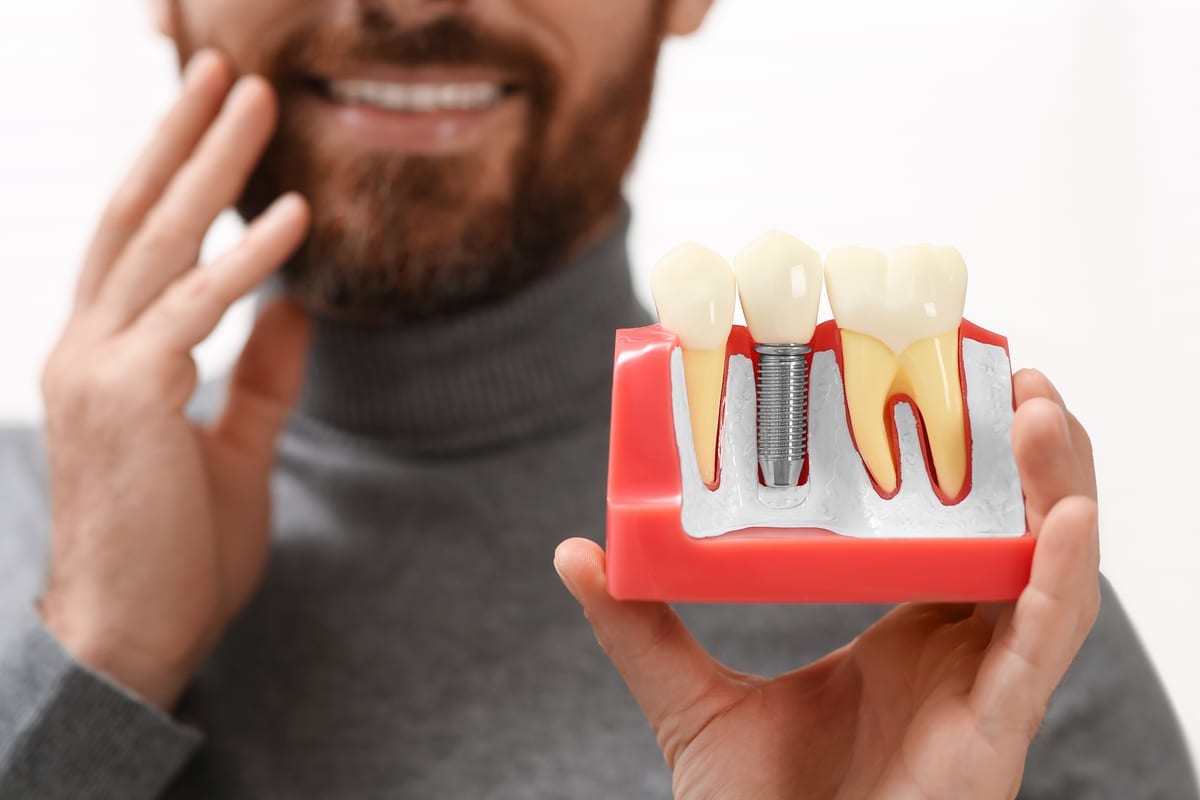
Do Dental Bridges Really Last 15 Years, and What Actually Determines That

Many patients in Amherst ask the same question before committing to a dental bridge: do dental bridges really last 15 years, and what actually determines that in Amherst? It is a fair and important question. The honest answer is that 15 years is achievable — but it is not guaranteed. Several personal habits and clinical factors work together to determine how long your bridge will truly last.
At Amherst Neighborhood Dentistry, Dr. Jun Soetanto helps patients understand what goes into a lasting restoration. This article walks you through the realistic lifespan of a dental bridge, what shortens it, and how to protect your investment for the long haul.
What Is the Average Lifespan of a Dental Bridge in Amherst?
Studies consistently show that dental bridges last between 10 and 15 years on average. Some bridges last even longer — 20 years or more — with the right care. Others fail well before the 10-year mark due to preventable issues.
The 15-year figure comes from clinical research tracking porcelain-fused-to-metal and all-ceramic bridges. These materials hold up well under normal chewing forces. However, material choice is just one piece of the puzzle.
Do dental bridges really last 15 years, and what actually determines that in Amherst? The answer depends heavily on the individual patient. Your oral hygiene routine, diet, bite alignment, and the quality of placement all play measurable roles. Understanding these factors helps you make smarter decisions about your dental health.
Key Factors That Determine How Long Your Bridge Lasts
No single factor decides whether your bridge reaches its full lifespan. Instead, multiple variables interact over time. Here are the most important ones Dr. Soetanto considers when placing a bridge:
- Abutment tooth health: The teeth anchoring your bridge must remain strong and cavity-free.
- Bite force and alignment: An uneven bite puts excess stress on the bridge and can crack it prematurely.
- Oral hygiene habits: Bacteria buildup under the bridge leads to decay in the supporting teeth.
- Diet choices: Hard, sticky, or chewy foods increase wear and risk dislodging the bridge.
- Teeth grinding (bruxism): Grinding accelerates wear and can fracture the bridge material.
- Quality of the initial placement: A precisely fitted bridge distributes force evenly and seals out bacteria.
Each of these factors is within your control to some degree. Addressing even one or two can significantly extend your bridge’s life. Patients who manage all of them consistently tend to enjoy the longest-lasting results.
What Shortens a Dental Bridge’s Lifespan — and How to Avoid It
Understanding what damages a bridge is just as important as knowing what helps it. Several common habits quietly reduce a bridge’s longevity without the patient realizing it.
Skipping flossing is one of the most damaging habits. Bacteria accumulate beneath the bridge pontic — the artificial tooth — and attack the gum tissue and bone below. Over time, this weakens the foundation the bridge depends on.
Chewing ice, hard candies, or fingernails creates micro-fractures in the porcelain. These small cracks grow with repeated stress. Eventually, the bridge chips or breaks entirely, requiring full replacement.
Undiagnosed teeth grinding is another silent threat. Many patients grind at night without knowing it. A custom nightguard from Dr. Soetanto can protect your bridge while you sleep and add years to its functional life.
Delaying routine checkups also shortens bridge lifespan. Problems caught early — like a loose crown or early decay on an abutment tooth — are far easier to fix before they become full failures. Regular visits at Amherst Neighborhood Dentistry keep your bridge performing at its best.
How Ongoing Maintenance Extends Your Bridge in Amherst
Proper maintenance is the single biggest factor you can control after placement. The good news is that caring for a dental bridge is straightforward once you know the right techniques.
Standard flossing does not work well under a bridge. Instead, use a floss threader, interdental brush, or water flosser to clean beneath the pontic daily. This removes the plaque that leads to gum disease and decay in the abutment teeth.
Here is a simple daily maintenance checklist for bridge patients:
- Brush twice daily with a soft-bristled toothbrush and fluoride toothpaste.
- Use a floss threader or water flosser to clean under the bridge pontic.
- Rinse with an antibacterial mouthwash to reduce bacterial load.
- Avoid chewing hard foods on the side where your bridge sits.
- Wear a nightguard if Dr. Soetanto has recommended one for grinding.
Professional cleanings every six months complement your at-home routine. Your hygienist removes hardened tartar that home tools cannot reach. These visits also let Dr. Soetanto inspect the bridge margins and abutment teeth for early warning signs.
Patients who follow this routine consistently give their bridge the best possible chance of reaching and exceeding the 15-year mark. Many patients in Amherst who commit to these habits are still enjoying their bridges well into their second decade.
Crowns and Bridges: Why Quality Placement Matters From Day One
The longevity of any bridge starts with how well it is made and placed. A poorly fitted bridge creates gaps where bacteria can enter. It also distributes chewing force unevenly, causing premature wear or cracking.
At Amherst Neighborhood Dentistry, Dr. Soetanto uses precise digital impressions and works with skilled dental labs to ensure each bridge fits accurately. Proper margin sealing, correct occlusal adjustment, and careful cementing all contribute to a longer-lasting result.
Patients searching for Crowns And Bridges Amherst will find that material selection also matters significantly. All-ceramic bridges offer excellent aesthetics and durability for front teeth. Porcelain-fused-to-metal bridges provide added strength for back teeth under heavier chewing forces.
If you want a second location option, patients can also explore Crowns And Bridges Amherst for additional service availability near you. The right material and the right fit, combined with your daily maintenance, set the foundation for lasting results.
Conclusion: Making Your Bridge Last in Amherst, OH
So do dental bridges really last 15 years, and what actually determines that in Amherst? The answer is yes — but only when the right conditions are in place. Quality placement, consistent home care, and regular professional maintenance all work together to protect your restoration.
No restoration lasts forever. But with the guidance of Dr. Jun Soetanto at Amherst Neighborhood Dentistry, you can give your bridge the best possible chance at a long, comfortable, and functional life. Do not leave your bridge’s lifespan to chance. Book Now to schedule your appointment with our team.
Frequently Asked Questions
Can a dental bridge last longer than 15 years?
Yes, many dental bridges last 20 years or more with proper care. Consistent oral hygiene, routine professional checkups, and avoiding damaging habits like grinding or chewing ice all contribute to a longer lifespan. Some patients in Amherst enjoy their bridges well beyond the average timeframe.
What happens if the abutment teeth under my bridge develop decay?
Decay in the abutment teeth — the teeth anchoring your bridge — is one of the most common reasons bridges fail early. If decay progresses far enough, the supporting tooth may need extraction, requiring a new treatment plan entirely. This is why cleaning beneath the bridge daily is so critical to its long-term success.
Is it painful when a dental bridge needs to be replaced?
Replacing a bridge is generally not painful. Dr. Soetanto uses local anesthesia to keep you comfortable throughout the process. The replacement procedure is similar to the original placement and typically takes one or two appointments depending on the complexity of your situation.
How do I know if my bridge is failing before it becomes a bigger problem?
Warning signs include sensitivity around the bridge, a change in your bite, visible cracks in the porcelain, or the bridge feeling loose. Recurring pain or swelling near the abutment teeth can also signal an issue. Scheduling regular checkups at Amherst Neighborhood Dentistry helps catch these problems early before they escalate.
Does teeth grinding significantly shorten bridge life?
Yes, bruxism — teeth grinding — is one of the most common causes of premature bridge failure. The repeated pressure and friction wear down porcelain faster than normal chewing. A custom-fitted nightguard protects your bridge while you sleep and can add several years to its functional lifespan.