Why Your Dentures Don’t Fit Like They Used To
Many Amherst residents ask the same question: why your dentures don’t fit like they used to in Amherst when they worked perfectly before? The answer usually comes down to natural changes in your jaw over time. Dentures are made to fit the shape of your mouth at one specific point. But your mouth never stops changing after tooth loss.
Understanding why this happens — and what to do about it — can save you from discomfort, embarrassment, and long-term oral health problems. Dr. Jun Soetanto and the team at Amherst Neighborhood Dentistry help patients navigate exactly this issue every day.
The Real Reason Your Dentures Stop Fitting in Amherst
The main culprit behind poor denture fit is something called bone resorption. When you lose teeth, the bone that once supported those roots no longer receives stimulation. Without that daily pressure, your jawbone gradually shrinks and changes shape.
This process starts almost immediately after tooth loss. It continues slowly over months and years. Studies show that patients can lose a significant portion of jawbone density within the first few years of tooth loss alone.
Your dentures were crafted based on the shape of your jaw at one moment in time. As that shape changes, the fit between denture base and gum tissue gets worse. The result is slipping, clicking, soreness, and difficulty chewing or speaking clearly.
This is not a sign of a poorly made denture. It is simply biology at work — and it happens to nearly everyone who wears dentures long enough.
Warning Signs Your Dentures Need Attention
It can be easy to ignore early signs of a changing fit. Many patients adjust their habits gradually without realizing how much has changed. Knowing what to watch for helps you act before bigger problems develop.
- Your dentures slip or shift while eating or speaking
- You notice sore spots or irritated gum tissue
- Food particles get trapped under your denture more often
- You feel less confident smiling or talking in public
- Your bite feels uneven or uncomfortable
- You rely on adhesive products more than you used to
- Your facial shape looks different or more sunken
If any of these sound familiar, it is time to come in for an evaluation. Waiting too long can lead to further bone loss, gum irritation, and even digestive issues from not chewing food properly.
Your Options: Relining, Rebasing, and Replacement
When dentures no longer fit well, patients in Amherst have three main options. The right choice depends on the age of your denture, your current bone structure, and how much the fit has changed.
Denture Relining
Relining adds new material to the tissue-side of your existing denture. This brings the base back into closer contact with your current gum shape. It is often the first option when a denture is still in good structural condition.
There are two types of relines. A soft reline uses a cushion-like material and is especially helpful for patients with sensitive gums. A hard reline uses a more durable material that lasts longer. Both can often be completed in a single visit.
Denture Rebasing
Rebasing goes further than relining. It replaces the entire denture base while keeping your existing teeth in place. This is a good choice when the base is worn or cracked but the artificial teeth are still in good condition.
Think of rebasing as giving your denture a new foundation. It restores a more stable fit without replacing the entire appliance. This option is typically more durable than a simple reline.
Full Denture Replacement
Sometimes a denture is simply too old to save. Most dentures have a lifespan of around seven to ten years. After that, even repeated relines may not restore a comfortable, stable fit.
A new set of dentures is crafted to match your current jaw shape. This gives you the best possible fit and function. Replacement also allows Dr. Soetanto to address any aesthetic changes in your smile that have occurred over time.
Could Dental Implants Be a Better Long-Term Solution?
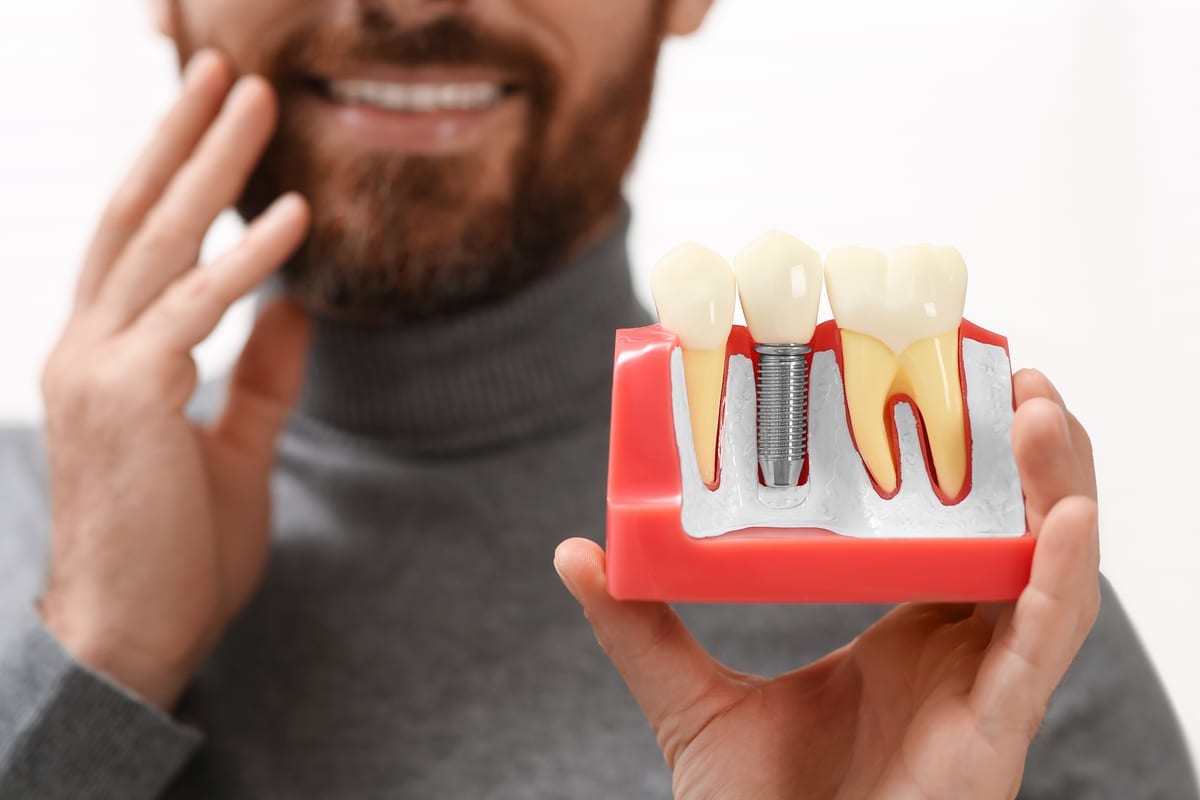
For some Amherst patients, the cycle of relining and replacement becomes frustrating. Implant-supported dentures offer a different approach. Small titanium posts are placed into the jawbone and act as anchors for your denture.
This approach does more than improve stability. Implants actually stimulate the jawbone, which helps slow the resorption process. That means your jaw shape stays more consistent over time. Fewer adjustments and replacements may be needed as a result.
Not every patient is a candidate for implants. Factors like existing bone volume and overall health play a role. Dr. Soetanto can evaluate whether this option makes sense for your situation during a comprehensive consultation.
For patients who also need additional restorative support, options like Crowns And Bridges Amherst may complement your overall treatment plan. Similarly, patients in nearby areas can explore Crowns And Bridges Amherst services as part of a broader restorative approach.
How to Keep Your Dentures Fitting Better for Longer
While bone resorption is natural and unavoidable, there are steps you can take to slow its effects and keep your denture functioning well longer.
- Visit your dentist at least once a year for a denture check-up
- Clean your dentures daily to prevent bacterial buildup and tissue irritation
- Remove your dentures at night to give gum tissue time to rest
- Avoid using over-the-counter adhesives as a permanent fix
- Report any soreness or slipping as soon as it starts
- Ask about implant-supported options if you want a more stable long-term solution
Consistency with these habits makes a real difference. Regular professional evaluations catch fit changes early, before they become painful or damaging.
What to Expect at Your Denture Evaluation in Amherst
Coming in for a denture fit evaluation at Amherst Neighborhood Dentistry is straightforward and comfortable. Dr. Soetanto will examine your denture, assess how it contacts your gum tissue, and evaluate the underlying bone structure.
Digital imaging may be used to get a clearer picture of your current jaw health. This helps determine whether a reline, rebase, or replacement is the best path forward. You will leave with a clear understanding of your options and what each one involves.
Our team takes the time to explain everything in plain language. There is no pressure to make an immediate decision. The goal is to help you feel informed and confident about your next step.
Conclusion
Ill-fitting dentures are one of the most common concerns we hear from patients across Amherst. The good news is that this problem is very treatable. Whether your dentures need a simple reline, a full replacement, or you are curious about implant-supported options, solutions are available right here in your community. Dr. Jun Soetanto and the team at Amherst Neighborhood Dentistry are ready to help you regain comfort, confidence, and function. Book Now to schedule your appointment with our team.
Frequently Asked Questions
How often should dentures be relined or replaced?
Most dentists recommend having your denture fit evaluated every one to two years. Relining may be needed every few years depending on how quickly your jaw changes. Full replacement is typically recommended every seven to ten years.
Can I reline my dentures at home?
Over-the-counter reline kits exist, but they are not recommended as a long-term solution. DIY relines can damage your denture and irritate gum tissue if applied incorrectly. A professional reline by your dentist provides a more accurate and lasting result.
Why do my dentures fit fine in the morning but slip later in the day?
This often happens because your gum tissue swells slightly overnight and then settles during the day. It is a sign that your denture no longer fits your resting jaw shape accurately. An evaluation can determine whether a reline would help restore a more consistent fit.
Does bone loss from tooth loss ever stop?
Bone resorption slows over time but does not fully stop. The most significant bone loss typically occurs in the first one to three years after tooth loss. Implant-supported dentures are the most effective way to slow ongoing bone loss because they stimulate the jaw directly.
Is it dangerous to wear ill-fitting dentures?
Wearing poorly fitting dentures over a long period can cause sore spots, mouth sores, and accelerated bone loss. It can also affect how well you chew, which may impact digestion and nutrition. Addressing fit issues promptly helps protect both your oral and overall health.