Your Dental Implant Recovery: What to Expect Week by Week
Your dental implant recovery: what to expect week by week in Amherst is a question Dr. Jun Soetanto hears often. Getting implants placed is a major step toward a healthier, more confident smile. But many patients feel uncertain about the healing process. Understanding your recovery timeline can ease anxiety and set you up for long-term success.
At Amherst Neighborhood Dentistry, we believe informed patients heal better. This guide walks you through exactly what to expect after your implant procedure. We cover pain management, diet changes, and key milestones. Think of this as your week-by-week roadmap to a full recovery.
The First Week: Managing Discomfort and Protecting the Site
The first few days after implant placement are the most intense part of recovery. Swelling, mild bleeding, and soreness are completely normal. Your body is starting a natural healing process called osseointegration. This is when the implant begins to fuse with your jawbone.
Dr. Soetanto typically recommends the following during week one:
- Apply an ice pack to the outside of your cheek for 15 minutes on, 15 minutes off
- Take prescribed or over-the-counter pain relievers as directed
- Rinse gently with warm salt water starting 24 hours after surgery
- Avoid touching the implant site with your tongue or fingers
- Rest and limit physical activity for the first 48 to 72 hours
Stick to soft foods during this week. Good options include yogurt, mashed potatoes, smoothies, and scrambled eggs. Avoid anything hot, crunchy, or chewy. These foods can irritate the surgical site and slow healing.
Weeks Two and Three: Swelling Fades and Eating Gets Easier
By the second week, most patients notice a significant drop in swelling. Bruising around the jaw may still be visible. This is normal and not a sign of complications. Your energy levels should start returning to normal around this time.
Pain at this stage should be minimal and manageable without strong medication. If you experience increasing pain or notice unusual discharge, contact our Amherst office right away. These could be signs of infection that need prompt attention. Early treatment always produces the best outcomes.
You can slowly expand your diet during weeks two and three. Consider adding:
- Soft pasta or cooked grains
- Flaky fish or tender chicken
- Avocado and soft-cooked vegetables
- Cottage cheese and soft fruits like bananas
Continue avoiding hard, sticky, or crunchy foods. Your implant is still integrating with the bone. Protecting that process is the top priority right now.
Month One Through Three: Osseointegration Takes Center Stage
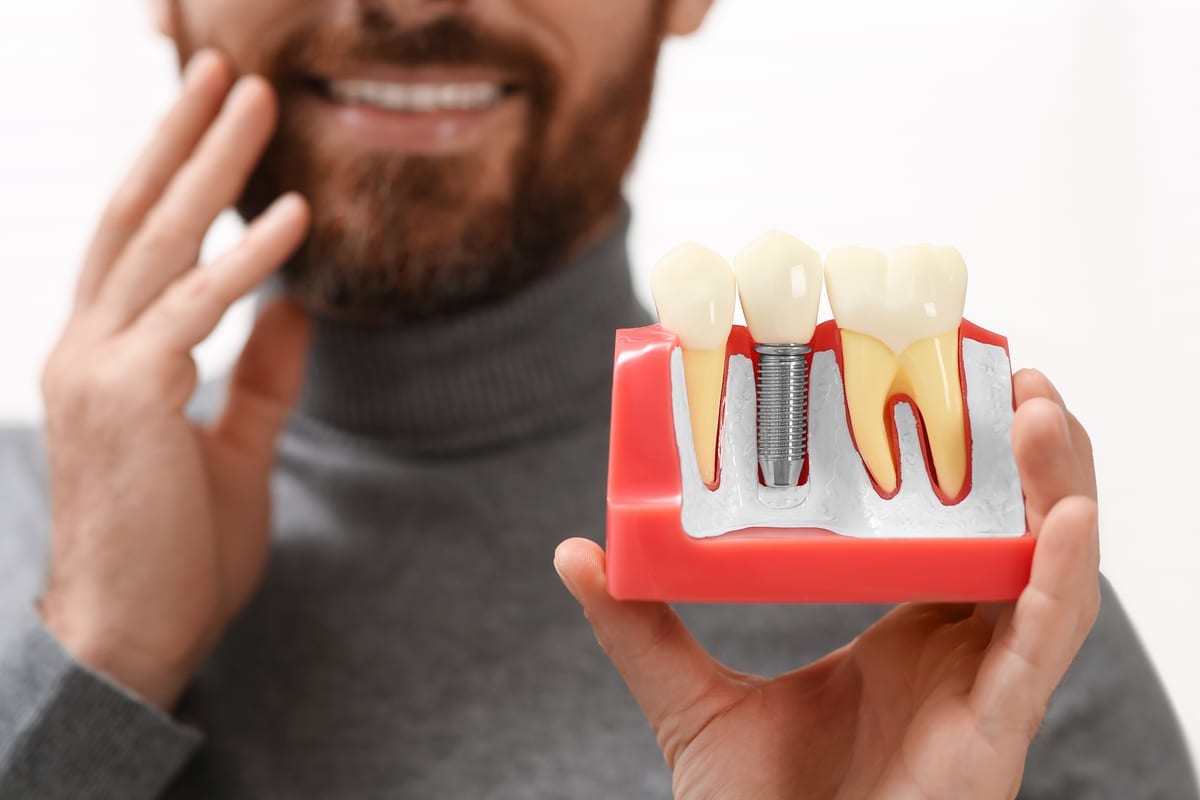
This phase is the most critical part of your dental implant recovery. Osseointegration — the fusion of the implant post with your jawbone — happens slowly and steadily. Most patients do not feel much discomfort during this stage. But what is happening beneath the gum line is incredibly important.
Your bone is literally growing around the titanium post. This creates a stable, permanent foundation for your final crown. The process typically takes three to six months. Every patient heals at a slightly different pace depending on bone density and overall health.
During this period, maintaining good oral hygiene is essential. Brush twice daily with a soft-bristled toothbrush. Use non-abrasive toothpaste and be gentle around the implant site. Floss carefully, using a water flosser or implant-specific floss if needed.
You may also need a temporary restoration placed during this healing period. This protects the implant while keeping your smile intact. Once osseointegration is complete, Dr. Soetanto will place your permanent crown. In some cases, he may also discuss options like Crowns And Bridges Amherst to restore neighboring teeth as part of your overall treatment plan.
Long-Term Care: Keeping Your Implant Healthy for Life
Dental implants are designed to last a lifetime with proper care. But long-term success depends on your daily habits. Think of your implant like a natural tooth — it needs consistent attention. The good news is that caring for implants is straightforward once you know what to do.
Here are key long-term care tips from Dr. Soetanto and the Amherst Neighborhood Dentistry team:
- Attend all scheduled follow-up visits and professional cleanings
- Brush and floss around the implant crown every day
- Avoid chewing ice, hard candy, or using teeth as tools
- Quit smoking if you currently smoke — it significantly raises failure risk
- Wear a night guard if you grind your teeth during sleep
Routine X-rays will monitor the bone levels around your implant over time. This helps catch any issues before they become serious problems. If you ever notice looseness, pain, or changes around the implant, call our Amherst office promptly. Fast action can save your implant and prevent further complications.
If you need to restore additional teeth alongside your implant, ask about Crowns And Bridges Amherst. These options can complete your smile beautifully and function seamlessly alongside your new implant.
When to Call Dr. Soetanto During Your Recovery
Most implant recoveries go smoothly, but knowing the warning signs is important. Some symptoms require immediate attention. Do not wait and hope they resolve on their own. Contacting our team quickly is always the right move.
Reach out to Amherst Neighborhood Dentistry if you experience any of the following:
- Fever above 101°F that lasts more than 24 hours
- Severe or worsening pain after the first week
- Pus or unusual discharge from the implant site
- The implant feels loose or shifts position
- Numbness that does not resolve within a few days
These symptoms are not common, but they do occasionally occur. Acting quickly gives Dr. Soetanto the best chance to address any issue effectively. Our team is here to support you at every stage of your recovery journey.
Understanding your dental implant recovery week by week in Amherst puts you in control of your healing. Follow your post-op instructions, eat wisely, and keep your follow-up appointments. With the right care, your implant will serve you well for decades to come. Book Now to schedule your appointment with our team.
Frequently Asked Questions
How long does dental implant recovery take in Amherst?
Most patients feel back to normal within one to two weeks after implant surgery. However, the full osseointegration process — where the implant fuses with the jawbone — takes three to six months. Dr. Soetanto monitors your progress through regular follow-up visits at Amherst Neighborhood Dentistry.
What foods can I eat after getting a dental implant?
Stick to soft foods like yogurt, mashed potatoes, smoothies, and scrambled eggs during the first week. Gradually reintroduce softer proteins and cooked vegetables in weeks two and three. Avoid hard, crunchy, sticky, or chewy foods until Dr. Soetanto gives you the all-clear.
Is it normal to have swelling after dental implant surgery?
Yes, swelling is completely normal and expected after implant placement. It typically peaks around 48 to 72 hours after surgery and then gradually subsides. Applying an ice pack during the first day helps reduce swelling and discomfort significantly.
How do I keep my dental implant clean during recovery?
Brush gently twice daily using a soft-bristled toothbrush and non-abrasive toothpaste. Rinse with warm salt water starting 24 hours after surgery. Avoid vigorous rinsing or spitting, which can disturb the healing site. A water flosser can help keep the area clean without irritation.
Can dental implants fail after placement?
Implant failure is rare but possible. Risk factors include smoking, poor oral hygiene, uncontrolled health conditions, and inadequate bone density. Following Dr. Soetanto’s post-op instructions closely and attending all follow-up appointments greatly reduces your risk of complications or failure.