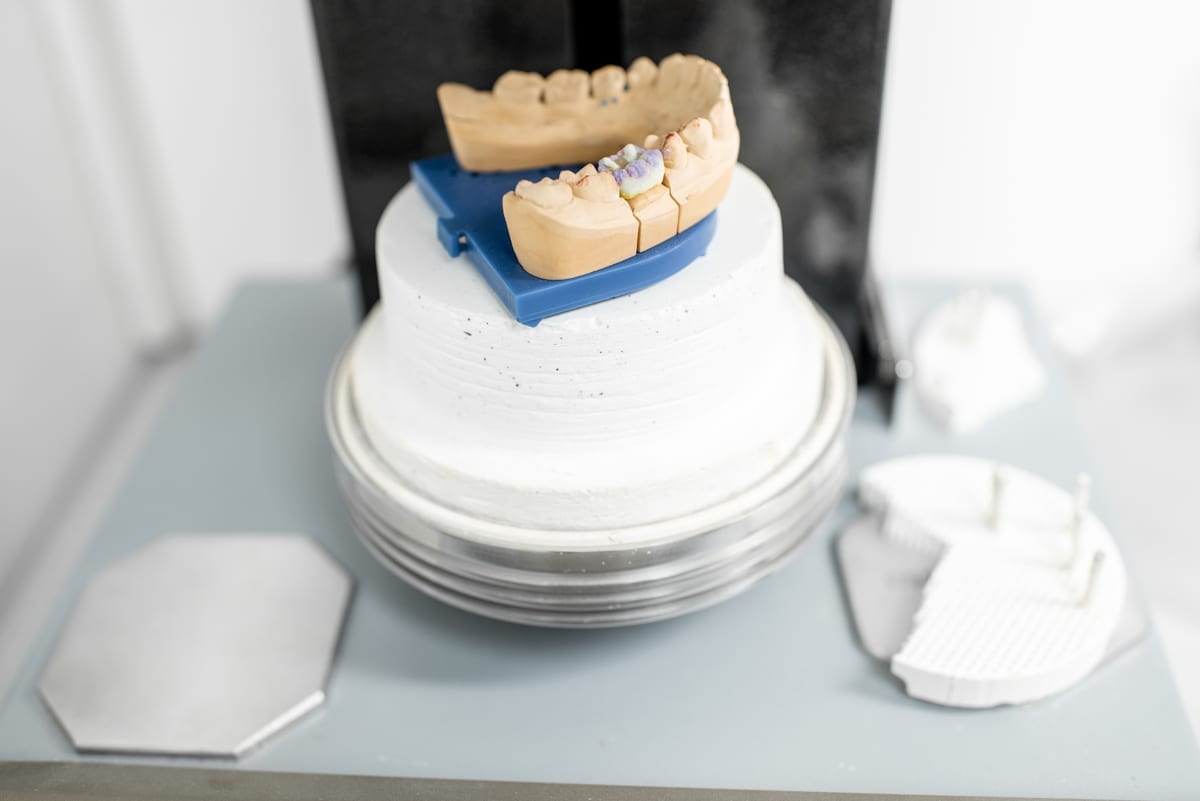

Dental Implants Cost in Amherst, OH
If you’ve been told you need a tooth replacement, you’ve probably already started comparing options. And if you’ve looked into dental implants, one thing stands out right away — the cost. For many patients in South Amherst, that upfront number can feel like a roadblock. But understanding why dental implants cost more upfront helps explain why they’re worth it for so many people long-term.
At Amherst Neighborhood Dentistry, Dr. Jun Soetanto helps patients in South Amherst and throughout Lorain County make informed decisions about tooth replacement. This article breaks down what drives implant pricing, how implants compare to alternatives, and what financing options exist to make treatment accessible.
What Makes Dental Implants Cost More Than Other Options?
Dental implants are not a simple procedure. They involve multiple stages, specialized materials, and skilled clinical technique. Each of these elements contributes to the overall cost.
Here are the main factors that influence what you’ll pay:
- Implant materials: The titanium post used must be biocompatible and built to last decades. High-quality materials carry a higher price.
- The surgical process: Placing an implant requires precision. The procedure itself takes skill, time, and advanced equipment.
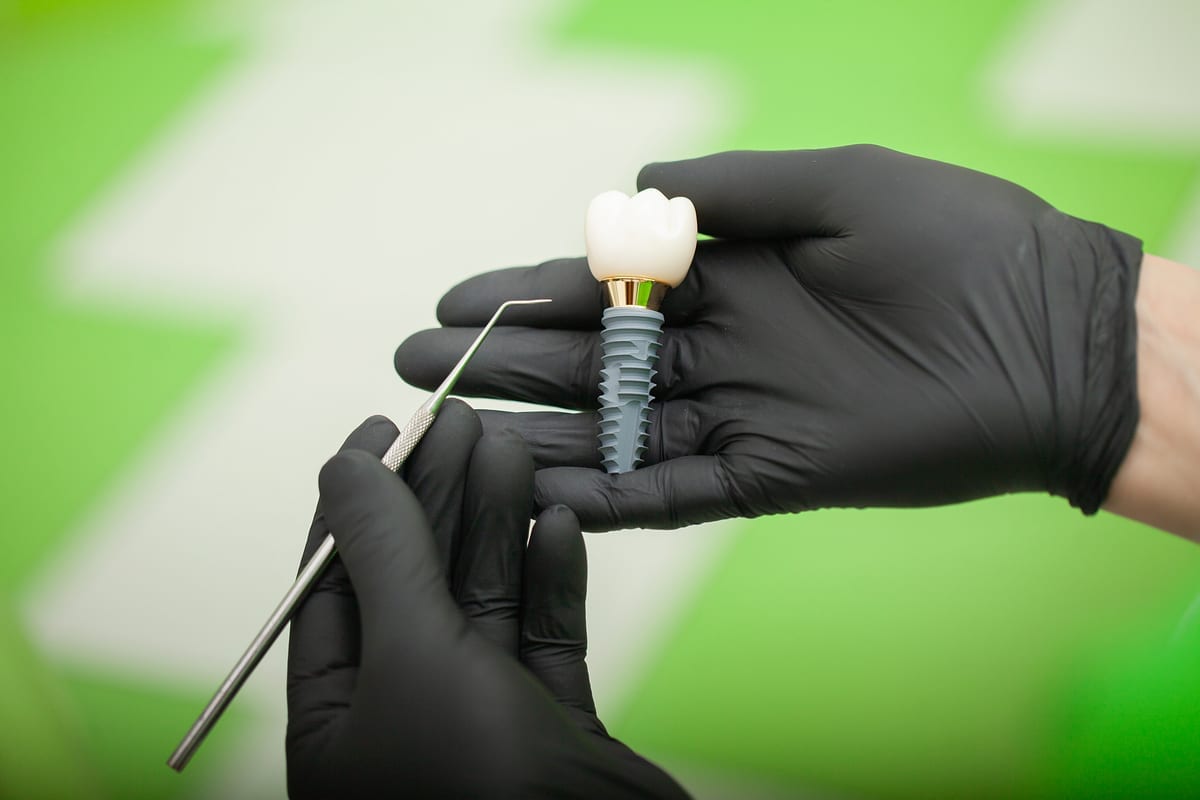
- The abutment and crown: These are the visible components that attach to the post. Custom-crafted crowns are matched to your existing teeth.
- Bone grafting (if needed): Some patients require a bone graft before implant placement. This adds a step and additional cost.
- Number of implants: A single tooth replacement costs differently than implant-supported dentures for multiple missing teeth.
Each case is different. Dr. Soetanto evaluates every patient individually before recommending a treatment plan. That personalized assessment helps ensure you’re only paying for what you actually need.
Why Dental Implants Are Worth It in South Amherst: The Long-Term Value
Here’s the question that matters most: what do you actually get for the higher upfront cost? The answer goes far beyond aesthetics.
Dental implants are the only tooth replacement option that addresses the root of the problem — literally. They replace the tooth root with a titanium post that fuses to your jawbone. This process, called osseointegration, preserves the bone structure in your jaw over time.
Without a tooth root, the jawbone underneath begins to shrink. That’s what causes the sunken facial appearance that sometimes follows tooth loss. Implants prevent that from happening.
Beyond bone preservation, implants offer meaningful everyday advantages:
- They function like natural teeth — no slipping, clicking, or discomfort while eating
- They don’t require adhesives or nightly removal
- They don’t put pressure on neighboring teeth the way bridges can
- With proper care, they can last a lifetime
- They support clearer speech compared to removable alternatives
When you factor in that implants typically don’t need to be replaced like dentures or bridges, the long-term math often favors them — even with the higher starting cost.
How Implants Compare to Bridges and Dentures
To understand the value of implants, it helps to compare them to the most common alternatives: dental bridges and dentures.
Dental bridges fill a gap by anchoring to the teeth on either side of the missing space. They cost less upfront. However, they require reshaping healthy neighboring teeth, which can weaken them over time. Bridges also don’t prevent bone loss beneath the gap.
Dentures are removable appliances that replace multiple missing teeth. They’re often the most affordable initial option. But dentures may need to be refitted or replaced as the jaw changes shape over time. That ongoing maintenance adds to the total cost across years of use.
Dental implants require more investment at first. But they don’t depend on neighboring teeth. They don’t need adhesives. And they actively support jawbone health. For many patients in South Amherst, the combination of durability and function makes implants the most cost-effective solution over a lifetime.
Dr. Soetanto takes time to walk each patient through these comparisons honestly. The right choice depends on your oral health, your goals, and your budget — and there’s no one-size-fits-all answer.
Financing Options That Make Dental Implants Accessible
Understanding value is one thing. Finding a way to make the cost work is another. Amherst Neighborhood Dentistry offers financing options to help patients in South Amherst move forward with care without unnecessary financial stress.
Flexible payment plans allow you to spread the cost of implants over time. This turns a larger upfront investment into manageable monthly payments. Many patients find this makes the decision much easier.
It’s also worth noting that some procedures related to your implant journey — like tooth extractions or preparatory work — may be handled as part of a broader treatment plan. Dr. Soetanto’s team discusses all costs transparently before any treatment begins. There are no surprises.
If you’re weighing your options and want to understand the full picture, a consultation is the best place to start. During that visit, you’ll receive a personalized treatment plan with a clear cost breakdown tailored to your specific needs.
What to Expect During the Implant Process at Amherst Neighborhood Dentistry
Many patients feel anxious about implants because the process seems complex. Breaking it down helps set realistic expectations.
The process typically involves three main phases:
- Consultation and planning: Dr. Soetanto reviews your oral health, takes imaging, and determines if you’re a good candidate for implants.
- Implant placement: The titanium post is surgically placed into the jawbone. A healing period follows while the post fuses with the bone.
- Crown attachment: Once healed, an abutment and custom crown are placed. This completes the restoration and gives you a fully functional tooth.
The timeline varies by patient. Some cases require bone grafting first, which extends the process. Others move more quickly. Dr. Soetanto explains the full timeline during your consultation so you know exactly what to expect.
Amherst Neighborhood Dentistry also offers same-day dentistry services for certain procedures. While implants themselves require a multi-stage process, the team works efficiently to minimize unnecessary delays in your care.
Conclusion: Investing in Your Smile Pays Off
Dental implants cost more upfront — and that’s a fact worth acknowledging honestly. But for patients in South Amherst who want a long-lasting, natural-feeling solution, the value they deliver is difficult to match. They protect your jawbone, restore your confidence, and function like real teeth for years to come.
Whether you’re just beginning to explore your options or ready to take the next step, Dr. Jun Soetanto and the team at Amherst Neighborhood Dentistry are here to guide you. Book Now to schedule your appointment with our team.
Frequently Asked Questions
Why do dental implants cost more than dentures or bridges?
Dental implants involve a multi-stage surgical process, biocompatible titanium materials, and custom-crafted crowns. Each component contributes to the higher upfront cost. However, implants typically last longer and require less ongoing maintenance than dentures or bridges.
Are dental implants worth the investment for South Amherst patients?
For most patients, yes. Implants preserve jawbone health, function like natural teeth, and don’t rely on neighboring teeth for support. Over a lifetime, they often prove more cost-effective than alternatives that require regular replacement or adjustment.
Does the cost of dental implants vary by patient?
Yes. The total cost depends on factors like the number of implants needed, whether bone grafting is required, and the type of restoration used. Dr. Soetanto provides a personalized cost breakdown during your initial consultation.
Can I finance dental implants at Amherst Neighborhood Dentistry?
Yes. The practice offers financing options that allow patients to spread the cost of treatment over time. This makes implants more accessible for patients who want long-term results without a large immediate payment.
How long does the dental implant process take?
The timeline varies by individual case. Most patients complete the process over several months, which includes healing time after implant placement. Dr. Soetanto will outline a realistic timeline during your consultation based on your specific oral health needs.