Your Temporary Crown: What to Eat, Clean, and Expect
Getting a dental crown is a common and effective procedure. But the temporary crown phase can feel confusing for many patients. If you are navigating your temporary crown and wondering what to eat, clean, and expect in Lorain, this guide is for you. Dr. Jun Soetanto at Amherst Neighborhood Dentistry walks you through everything you need to know.
Temporary crowns are not meant to last forever. They protect your prepared tooth while your permanent crown is being made. Understanding how to care for one properly makes a big difference in your comfort and outcome.
What Is a Temporary Crown and Why Do You Need One in Lorain?
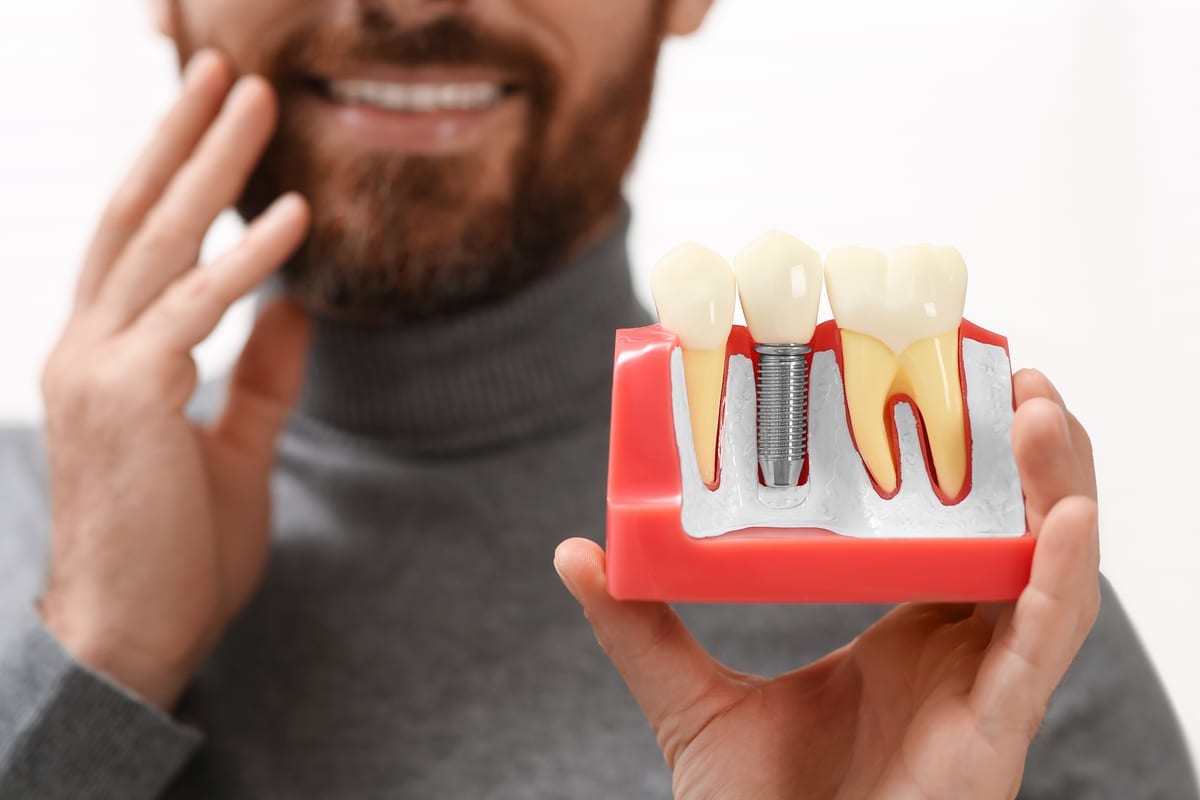
A temporary crown is a short-term restoration placed over a tooth after it has been shaped for a permanent crown. Your dentist uses it to protect the tooth between appointments. Without it, your prepared tooth would be exposed and sensitive.
At Amherst Neighborhood Dentistry, we offer Crowns And Bridges Lorain patients trust for quality and comfort. Temporary crowns are typically made from acrylic or composite resin. They are durable enough for short-term use but require some extra care.
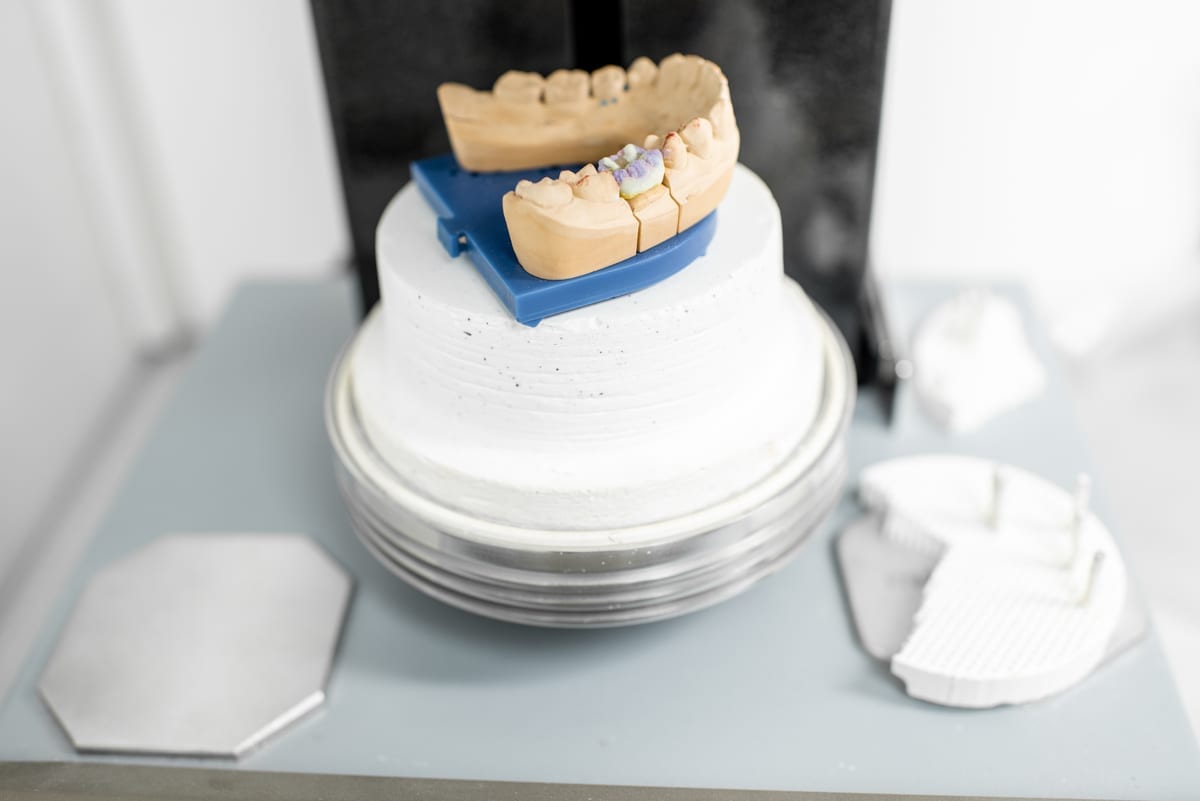
Most patients in Lorain wear a temporary crown for one to three weeks. During that time, the dental lab crafts your custom permanent restoration. Staying mindful of how you eat and clean during this period keeps everything on track.
What to Eat and Avoid With Your Temporary Crown
Diet is one of the most important factors during the temporary crown phase. The cement holding a temporary crown is intentionally weaker than permanent cement. This allows your dentist to remove it easily at your next visit.
Because of that weaker hold, certain foods can dislodge the crown. Here is a list of foods to avoid:
- Sticky foods like caramel, gum, and gummy candies
- Hard foods like raw carrots, hard candy, and nuts
- Crunchy snacks like chips or crusty bread
- Chewy meats that require heavy biting force
- Extremely hot or cold foods that may increase sensitivity
Instead, focus on soft and gentle options. Good choices include yogurt, eggs, soft cooked vegetables, mashed potatoes, and pasta. Try to chew on the opposite side of your mouth as much as possible. This simple habit reduces stress on the temporary crown significantly.
How to Clean Your Temporary Crown Without Damaging It
Keeping your temporary crown clean is essential for gum health and comfort. However, you need to clean it gently. Aggressive brushing or flossing can loosen the crown before your permanent one is ready.
Follow these steps to clean your temporary crown safely:
- Brush gently using a soft-bristled toothbrush twice daily.
- Use a non-abrasive toothpaste to avoid scratching the acrylic surface.
- Floss carefully around the crown — slide the floss out sideways rather than snapping it up through the contact.
- Avoid water flossers set on high pressure near the temporary crown area.
- Rinse with a gentle, alcohol-free mouthwash to reduce bacteria.
Your gums around the temporary crown may feel slightly tender. This is normal and usually subsides within a few days. If tenderness increases or you notice swelling, contact our office promptly.
Plaque can still build up around a temporary crown just like any other tooth. Consistent but careful cleaning prevents gum irritation that could complicate your final crown placement.
What to Do If Your Temporary Crown Falls Off
A dislodged temporary crown is one of the most common concerns patients have. The good news is that it happens more often than you might think, and it is usually manageable. Try to stay calm if it happens to you.
Here is what to do right away:
- Retrieve the crown carefully and rinse it with warm water.
- Do not try to force it back onto the tooth without guidance.
- If available, use a small amount of dental cement from a pharmacy to temporarily reseat the crown.
- Avoid eating on that side of your mouth until you are seen.
- Call Amherst Neighborhood Dentistry as soon as possible to schedule a same-day visit.
We offer same-day dentistry services to handle situations like this quickly. Your prepared tooth underneath is sensitive and vulnerable without protection. The sooner we recement or replace your temporary crown, the better.
Never leave a prepared tooth exposed for more than a day or two. Exposed dentin can shift slightly, making it harder to fit your permanent crown precisely. Prompt care protects the investment you have already made in your smile.
How Long Will You Wait and What Comes Next in Lorain?
Most patients wear their temporary crown for one to three weeks. The exact timeline depends on your dental lab and the complexity of your case. Dr. Soetanto will give you a more specific estimate at your appointment.
During this waiting period, your permanent crown is being custom-crafted to match your tooth’s shape, size, and color. Precision takes time, and that attention to detail is what makes the final result look and feel natural.
When your permanent crown is ready, you will return for a straightforward placement appointment. Your dentist removes the temporary crown, checks the fit of the permanent one, and bonds it securely. Most patients are thrilled with how natural their final crown looks and feels.
For those needing restorations in surrounding areas, we also place Crowns And Bridges Lorain patients from neighboring communities rely on. Our team is committed to making the entire process smooth and comfortable from start to finish.
Ready to Move Forward With Your Crown?
The temporary crown phase is just one step in a well-planned process. With the right diet habits, gentle cleaning, and quick action if something goes wrong, most patients move through it without major issues. Dr. Jun Soetanto and the team at Amherst Neighborhood Dentistry are here to support you every step of the way. Book Now to schedule your appointment with our team.
Frequently Asked Questions
How long does a temporary crown usually last?
Temporary crowns are designed to last between one and three weeks. They are made from acrylic or composite resin and held with weaker cement. This makes them easy to remove when your permanent crown is ready. Avoid sticky and hard foods to help yours stay in place longer.
Is it normal for a temporary crown to feel different from my natural tooth?
Yes, it is completely normal. Temporary crowns are not custom-fitted with the same precision as permanent ones. They may feel slightly bulky or different when you bite down. Some temperature sensitivity around the area is also common during this phase.
Can I floss around my temporary crown?
You can and should floss, but do it carefully. Slide the floss out sideways instead of snapping it upward through the contact. Pulling the floss straight up can lift the temporary crown off the tooth. If you are unsure of the right technique, ask our team at your next visit.
What happens if I leave my temporary crown off for too long?
Leaving a prepared tooth exposed can cause sensitivity and discomfort. It can also allow the tooth to shift slightly, which may affect how well your permanent crown fits. Always call your dentist promptly if your temporary crown comes off. We offer same-day appointments to address this quickly.
Will placement of the permanent crown be painful?
The permanent crown placement appointment is typically quick and comfortable. Your dentist will numb the area before removing the temporary crown and bonding the permanent one. Most patients experience little to no discomfort. Any mild soreness afterward usually resolves within a day or two.