Dental Implants vs. Dentures vs. Bridges
Losing a tooth — or several — is more common than most people realize. If you live in South Amherst and you’re weighing your options, understanding dental implants vs. dentures vs. bridges can help you make a confident decision. Each option restores your smile differently. The right choice depends on your health, goals, and daily lifestyle. Dr. Jun Soetanto at Amherst Neighborhood Dentistry helps patients navigate exactly this kind of decision every day.
Understanding Your Three Main Options in South Amherst
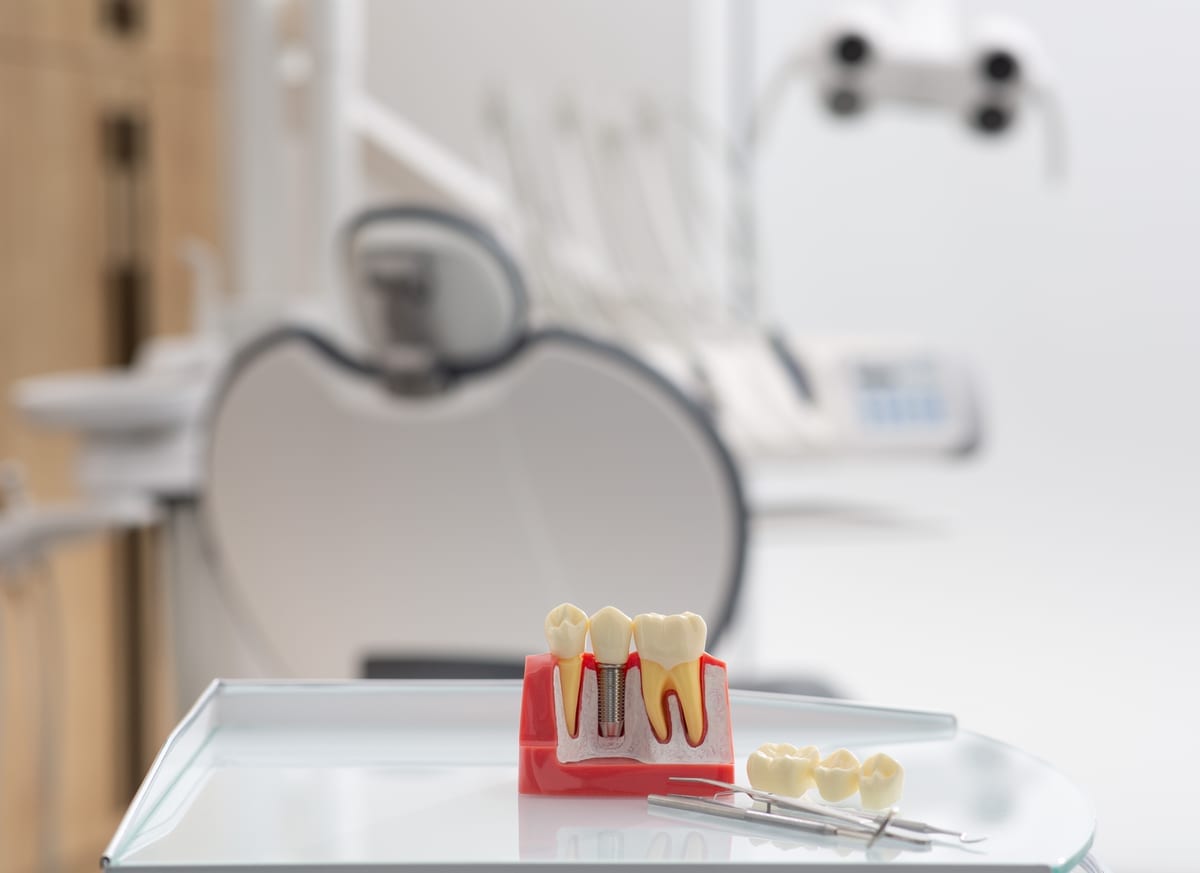
Before comparing these treatments, it helps to understand what each one actually is. Dental implants are titanium posts surgically placed into your jawbone. They act as artificial tooth roots and support a crown on top. They feel and function like natural teeth.
Dentures are removable appliances that replace multiple missing teeth. They can replace a full arch or just a partial section. Modern dentures fit better and look more natural than older versions.
Dental bridges span the gap left by one or more missing teeth. They anchor to the teeth on either side of the gap. A bridge is fixed in place — you cannot remove it at home.
- Dental Implants: Permanent, bone-preserving, single-tooth or full-arch solutions
- Dentures: Removable, cost-accessible, ideal for multiple missing teeth
- Dental Bridges: Fixed, fast to place, great for one to three missing teeth
- All three options restore chewing function and improve appearance
- Each option has unique care requirements and longevity expectations
Dental Implants vs. Dentures: What Sets Them Apart?
When patients in South Amherst compare dental implants vs. dentures, the biggest difference is stability. Implants are anchored into your jawbone permanently. Dentures rest on your gums and can shift during eating or speaking.
Implants also preserve jawbone density. When you lose a tooth, the underlying bone begins to shrink over time. An implant stimulates the bone just like a natural root does. Dentures do not offer this benefit.
That said, dentures are a strong choice for patients who are not candidates for surgery. They work well when many teeth are missing across one or both arches. They are also adjusted or replaced as your mouth changes shape over the years.
Here is a quick side-by-side comparison to help you decide:
- Implants: Permanent, no removal needed, preserve bone, feel most natural
- Dentures: Removable, easier to adjust, no surgery required, replace many teeth at once
- Best for implants: Good bone density, one to several missing teeth, long-term investment mindset
- Best for dentures: Multiple missing teeth, complex health history, or bone loss already present
Where Do Dental Bridges Fit Into the Decision?
Bridges are often the middle ground between implants and dentures. They are fixed like implants but do not require surgery. They are permanent like a crown but span across a gap instead of a single tooth.
A bridge works best when you are missing one to three teeth in a row. The teeth on either side of the gap — called abutment teeth — must be healthy enough to support the bridge. This is an important factor Dr. Soetanto evaluates at your consultation.
One trade-off is that the abutment teeth must be filed down slightly to accept the crowns that anchor the bridge. This permanently alters healthy teeth. With an implant, the surrounding teeth remain completely untouched.
If you have had a cavity or decay on those nearby teeth, however, a bridge can serve double duty. It restores the gap and protects those already-compromised teeth. In some cases, patients also benefit from Dental Fillings before a bridge is placed to ensure the anchor teeth are fully healthy. You can also ask about Dental Fillings at our Amherst location to address any decay before moving forward with restoration.
Which Option Fits Your Life in South Amherst?
The best tooth replacement truly depends on your personal situation. There is no single answer that fits everyone. Dr. Soetanto takes time to understand your oral health, lifestyle, and long-term goals before making any recommendation.
Ask yourself a few key questions as you think this through:
- How many teeth are you replacing — one, a few, or a full arch?
- Are you comfortable with a surgical procedure, or do you prefer a non-surgical solution?
- Do you want something permanent, or are you open to a removable option?
- How important is long-term bone preservation to you?
- Are you looking for a solution that lasts decades with minimal upkeep?
Implants typically last 20 or more years with proper care. Bridges often last 10 to 15 years. Dentures may need relining or replacement every 5 to 10 years. Knowing these timelines helps you plan for the future.
Your overall health matters too. Certain medical conditions or medications can affect healing after implant surgery. Dr. Soetanto reviews your full health history to make sure your chosen treatment is safe and appropriate.
What to Expect at Your Consultation at Amherst Neighborhood Dentistry
Your first step is a thorough exam and conversation. Dr. Soetanto will take X-rays and evaluate your jawbone, gums, and remaining teeth. He will walk you through which options are realistic for your specific case.
If you are a candidate for implants, he will explain the process step by step. If a bridge or denture is the better fit, he will explain why and what the experience will look like. You will never feel rushed or pressured during this visit.
Amherst Neighborhood Dentistry also offers same-day dentistry services. For patients in South Amherst who want efficient care without multiple appointments, this can be a major advantage. Ask about this during your consultation to see if it applies to your treatment plan.
The goal is to give you the information you need to feel confident in your choice. Restoring your smile is a big decision. You deserve a dentist who takes that seriously and guides you with honesty and expertise.
Conclusion: Making the Right Choice for Your Smile
Comparing dental implants vs. dentures vs. bridges comes down to your health, goals, and how you want to live your life. All three options can dramatically improve your smile and chewing function. The key is finding the one that aligns with your unique needs. Dr. Jun Soetanto and the team at Amherst Neighborhood Dentistry are here to help South Amherst patients make that call with confidence. Book Now to schedule your appointment with our team.
Frequently Asked Questions
Are dental implants painful to get?
Most patients are surprised by how manageable the process is. Dr. Soetanto uses local anesthesia during the procedure so you feel little to no discomfort. Mild soreness after surgery is normal and typically resolves within a few days.
Can I get dental implants if I have bone loss?
Bone loss does not automatically rule out implants. In some cases, a bone graft can rebuild enough density to support an implant. Dr. Soetanto will evaluate your jawbone during your consultation and explain all available options.
How long does it take to get a dental bridge?
A traditional dental bridge usually requires two appointments spaced a couple of weeks apart. The first visit prepares the abutment teeth and takes impressions. The second visit places and adjusts the permanent bridge.
Are dentures difficult to adjust to?
Most patients need a short adjustment period when they first get dentures. Speaking and eating may feel different at first. With time and follow-up visits, most patients adapt well and feel comfortable wearing them daily.
Which tooth replacement option lasts the longest?
Dental implants generally have the longest lifespan of the three options. With proper oral hygiene and regular dental visits, implants can last 20 years or more. Bridges and dentures typically need replacement or adjustment sooner.